

Understanding Brow Lift: A Comprehensive Scientific and Technical Overview
The upper third of the face plays a significant role in both facial expression and visual field functionality. Over time, factors such as gravity, declining collagen levels, and repetitive muscular activity can lead to a condition known as brow ptosis, where the eyebrows descend toward the eyelids. A brow lift, medically termed a forehead lift, is a surgical or minimally invasive procedure designed to reposition the eyebrows to a more anatomically youthful or functional height. This article provides a neutral, evidence-based examination of the procedure, exploring the biological causes of brow descent, the mechanical principles of various lifting techniques, and an objective overview of the current clinical landscape. By following a structured path from basic concepts to future developments, this discussion clarifies the role of this procedure in modern aesthetic and reconstructive medicine.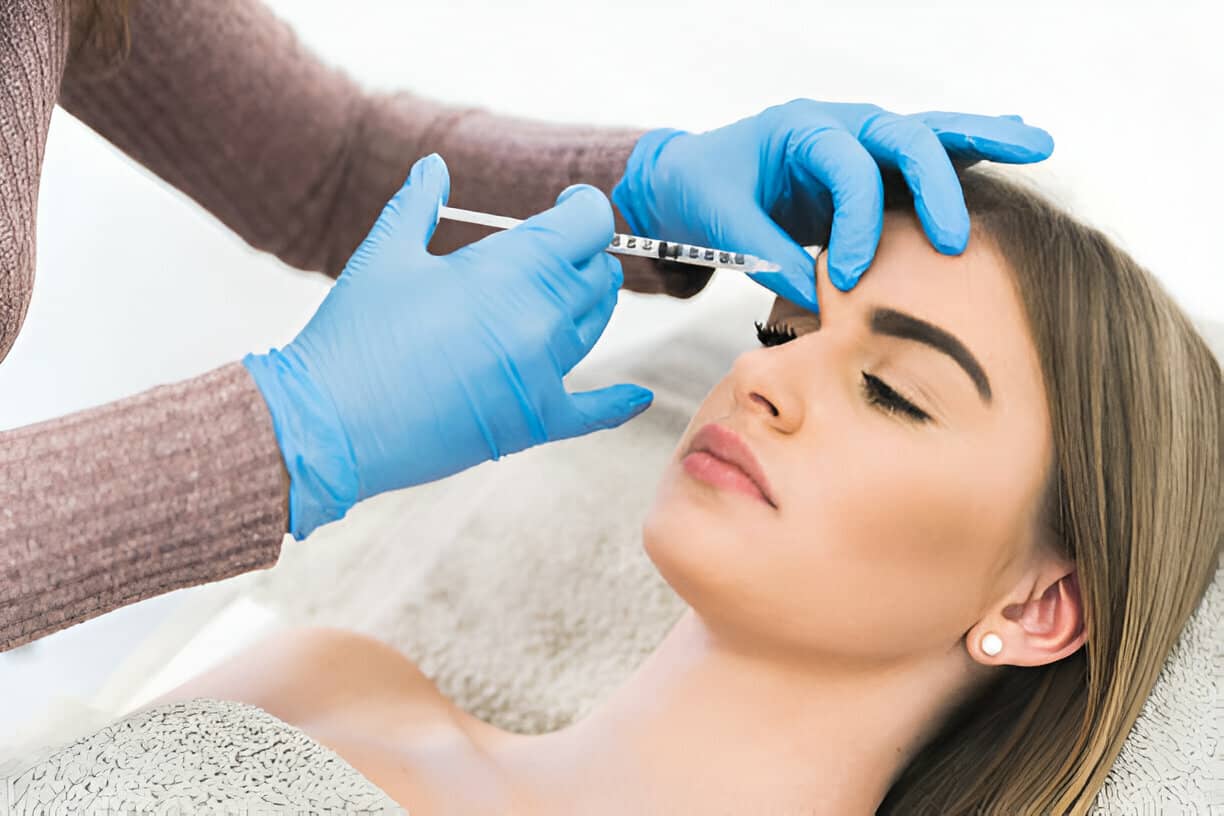
Basic Concepts and Classification
To understand a brow lift, it is essential to recognize the interaction between the skin, the underlying muscles, and the frontal bone of the skull. A brow lift is generally classified based on the surgical approach and the specific tissues being modified:
- Endoscopic Brow Lift: A minimally invasive method involving several small incisions hidden within the hair. A tiny camera (endoscope) is used to visualize and modify the tissue.
- Coronal Brow Lift: A traditional surgical approach involving a single incision from ear to ear across the top of the head, allowing for significant skin removal and tissue repositioning.
- Temporal (Lateral) Brow Lift: A targeted procedure focused on lifting the outer part of the eyebrows, often performed through small incisions in the temple area.
- Pretrichial/Trichophytic Lift: An incision made at the hairline, specifically used for individuals with high foreheads to prevent the hairline from moving further back.
The primary objective of these interventions is to resolve "heavy" eyebrows that may contribute to a tired appearance or, in functional cases, interfere with the upper field of vision.
Core Mechanisms: How the Procedure Functions
The effectiveness of a brow lift relies on the mechanical release of "depressor" muscles and the stabilization of the brow in a superior (higher) position.
1. Muscular Deactivation and Release
The forehead contains muscles that pull the brow down (depressors) and muscles that pull it up (frontalis). In a brow lift, the surgeon surgically weakens or releases the muscles responsible for downward pull, such as the corrugator and procerus muscles (which cause "frown lines"). This allows the upward-pulling muscles to work more effectively.
2. Periosteal Release
The forehead skin and muscle are attached to the skull by a thick layer of connective tissue called the periosteum. A key mechanism of the lift involves "releasing" this layer at the level of the orbital rim (the brow bone). Once released, the entire forehead unit can be moved upward.
3. Fixation and Stabilization
After the tissue is shifted to the desired height, it must be secured until natural healing takes over. Mechanical fixation is achieved through various methods:
- Endotines: Small, dissolvable tacks that hold the tissue in place.
- Sutures: Traditional internal stitches anchored to the bone or deep fascia.
- Bone Tunnels: Small tunnels drilled into the outer layer of the skull to loop sutures through.
Presentation of the Clinical Landscape
The choice of brow lift methodology is typically determined by the patient's hairline position, the degree of brow sagging, and the presence of forehead wrinkles.
Comparison of Brow Lift Modalities
| Feature | Endoscopic Lift | Coronal Lift | Temporal Lift |
| Incision Size | Very small (1-2 cm) | Large (Ear to ear) | Small (Temples) |
| Primary Goal | General elevation | Maximum skin removal | Lateral (outer) lift |
| Hairline Impact | May move slightly back | Moves back significantly | No impact |
| Recovery Time | 1 week | 2–3 weeks | 1 week |
| Invasiveness | Low | High | Low |
Procedural Lifecycle
- Assessment: Measurement of the distance between the pupil and the brow to determine the degree of ptosis.
- Anesthesia: Usually performed under general anesthesia or deep intravenous sedation.
- Elevation: The surgeon separates the forehead tissues from the skull.
- Reshaping: Muscles are modified to reduce frown lines.
- Securing: The tissue is fixed in the new position using the mechanisms described above.
- Closure: Incisions are closed with staples or sutures.
Objective Discussion and Evidence
The efficacy and safety of brow lifts are supported by clinical data and surgical outcomes tracking.
- Clinical Efficacy: Research indicates that brow lifts provide a statistically significant increase in the distance between the brow and the eye, often improving the "openness" of the upper face. The results are generally considered long-lasting, typically remaining stable for 5 to 10 years.
- Safety and Risks: Common side effects include temporary swelling, bruising, and numbness of the scalp. Significant but less frequent risks (occurring in approximately 1% of cases) include permanent nerve injury (loss of the ability to raise the eyebrows), asymmetrical results, and "alopecia" (hair loss) at the incision sites.
- The "Surprised" Look: An objective concern in brow lifting is over-correction. Scientific planning aims to avoid an unnaturally high brow, which can lead to a startled appearance.
- Relationship with Blepharoplasty: Evidence suggests that many patients who believe they need eyelid surgery (blepharoplasty) actually have brow ptosis. In such cases, removing eyelid skin without addressing the brow can lead to unsatisfactory results, highlighting the importance of a comprehensive anatomical assessment.
Summary and Future Outlook
Brow lifting has evolved from aggressive skin-excision surgeries to minimally invasive, camera-assisted procedures. The modern clinical focus is on "fixation" and "structural balance" rather than simply pulling the skin tight.
Future developments in the field are focused on:
- Absorbable Fixation Technology: Improving materials like Endotines to dissolve more predictably without localized irritation.
- Neuromodulator Integration: Using toxins to temporarily paralyze depressor muscles before surgery to allow for better internal healing in the "upward" position.
- Regenerative Sutures: Developing stitches that release growth factors to speed up the reattachment of the periosteum to the bone.
Question and Answer Section
Q: Can a brow lift improve the appearance of my upper eyelids?
A: Yes. Because the brow and the upper eyelid are connected, lifting the brow often pulls the excess eyelid skin upward, which can reduce "hooding" of the eyes.
Q: Will a brow lift make my forehead look larger?
A: Some techniques, such as the endoscopic or coronal lift, can shift the hairline backward, potentially increasing the height of the forehead. For individuals with a high forehead, a "trichophytic" lift is often used to maintain or even lower the hairline.
Q: Is the procedure painful?
A: During the surgery, no pain is felt due to anesthesia. Post-operative discomfort is usually described as a "tight" or "heavy" sensation rather than sharp pain, and it is typically managed with standard medication for 3 to 5 days.
Q: How does a brow lift differ from Botox?
A: Botox is a temporary chemical treatment that relaxes muscles to provide a mild "chemical lift" lasting 3 to 4 months. A brow lift is a surgical procedure that physically repositions and secures the tissue for a long-term result.
References
Related Articles
Hydrating Wisely: Top Drink Choices for Managing Stage 3 Kidney Disease
Nov 6, 2025 at 2:45 AM
Wrinkle Removal: Exploring Options from Skincare to Surgery
Aug 26, 2025 at 3:50 AM
Telehealth Doctors: A Comprehensive Guide to Modern Digital Healthcare
Dec 9, 2025 at 6:07 AM
The rise of dental clips for teeth: What you need to know
Aug 27, 2025 at 7:41 AM
CNA Online Courses: Start Your Healthcare Career
Dec 1, 2025 at 10:31 AM
Immuno Therapy: A Breakthrough in Modern Medicine
Sep 24, 2025 at 2:32 AM
Comprehensive Health Checkup Guide
Dec 8, 2025 at 5:50 AM
Understanding Online DNA Tests: What You Need to Know Before You Spit
Jul 28, 2025 at 7:09 AM
Understanding the Basics: Choosing the Right Hearing Aid for You
Dec 11, 2025 at 9:42 AM
Harmony Within: How an IFS Therapist Helps You Reclaim Your True Self
Jul 23, 2025 at 9:17 AM


This website only serves as an information collection platform and does not provide related services. All content provided on the website comes from third-party public sources.Always seek the advice of a qualified professional in relation to any specific problem or issue. The information provided on this site is provided "as it is" without warranty of any kind, either express or implied, including but not limited to the implied warranties of merchantability, fitness for a particular purpose, or non-infringement. The owners and operators of this site are not liable for any damages whatsoever arising out of or in connection with the use of this site or the information contained herein.