

A Comprehensive Guide to Laser Eye Surgery: Understanding Your Options in Vision Correction
Welcome to this comprehensive guide on laser eye surgery, designed to provide you with a clear and detailed understanding of the various options available for vision correction. This guide will walk you through the different types of laser eye surgeries, the surgical process, potential benefits, considerations before undergoing the procedure, and common questions about laser eye surgery. Whether you're considering laser eye surgery for the first time or seeking to learn more about your options, this guide aims to provide you with the information you need to make informed decisions about your eye health.
Understanding Laser Eye Surgery
Laser eye surgery has revolutionized the field of ophthalmology, offering a reliable and effective solution for correcting refractive errors such as myopia (nearsightedness), hyperopia (farsightedness), and astigmatism. The development of laser technology in the 1980s and 1990s paved the way for these procedures, which have since become increasingly common and sophisticated.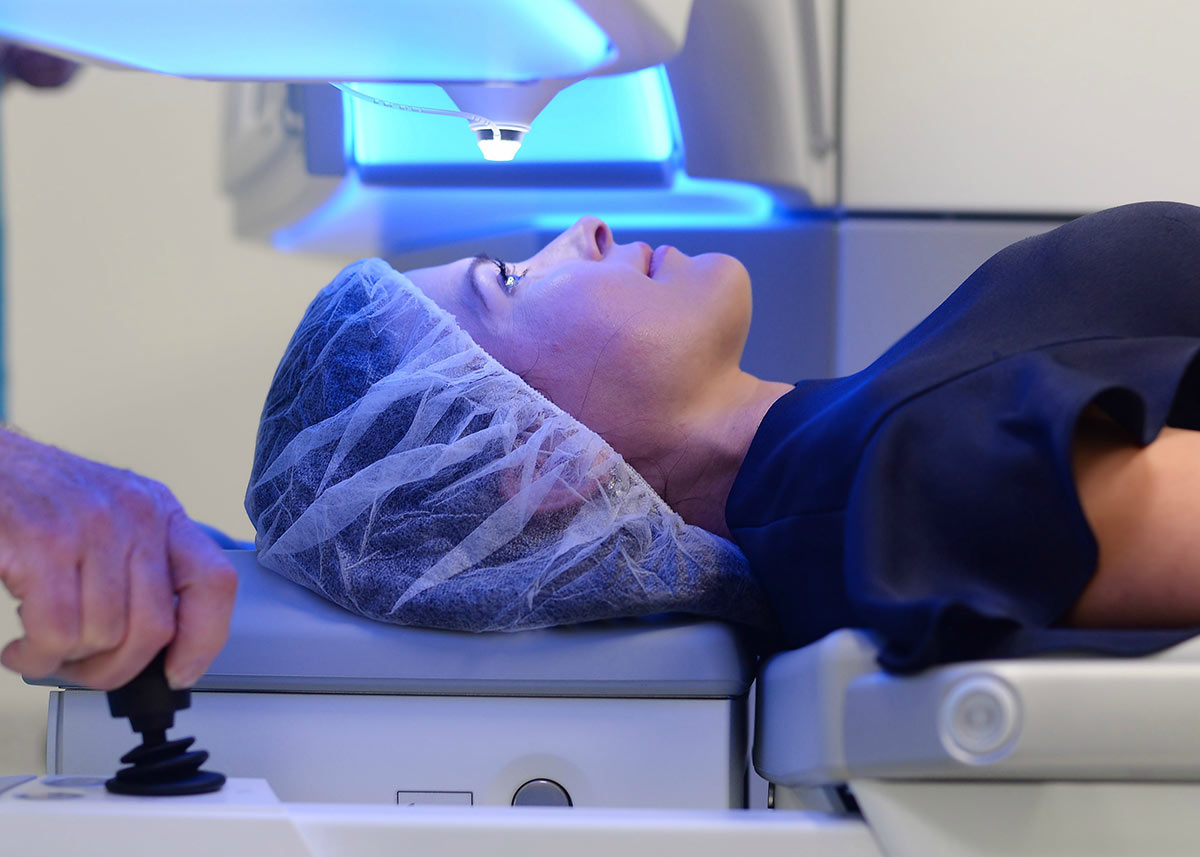
The primary goal of laser eye surgery is to reshape the cornea, the clear front part of the eye, to improve how the eye focuses light. This can eliminate or significantly reduce the need for glasses or contact lenses. The procedure is generally safe and effective, with high success rates reported by ophthalmologists worldwide. According to a study published in the Journal of Refractive Surgery, the success rate of LASIK surgery for correcting myopia is approximately 96%, with the vast majority of patients reporting satisfaction with their results.
Types of Laser Eye Surgery
There are several types of laser eye surgeries, each with its own advantages and considerations:
- PRK (Photorefractive Keratectomy): This is one of the earliest laser eye surgery techniques. PRK involves removing the thin outer layer of the cornea (the epithelium) before using a laser to reshape the underlying tissue. It's particularly suitable for patients with thinner corneas or those who are at higher risk for complications from creating a corneal flap.
- LASIK (Laser-Assisted In Situ Keratomileusis): LASIK is currently the most commonly performed laser eye surgery. It involves creating a thin flap in the cornea, lifting it, and using a laser to reshape the underlying corneal tissue. The flap is then repositioned. LASIK is known for its quick recovery time and minimal discomfort.
- LASEK (Laser-Assisted Subepithelial Keratomileusis): LASEK is a variation of PRK that preserves a thin layer of corneal epithelium. It's often recommended for patients with thinner corneas or those who are at higher risk of complications with LASIK.
- SMILE (Small Incision Lenticule Extraction): SMILE is a newer, minimally invasive procedure that uses a femtosecond laser to create a small lenticule (disc) within the cornea, which is then removed through a small incision. It doesn't require creating a corneal flap, which can reduce the risk of certain complications.
- Custom Wavefront-Guided LASIK: This advanced form of LASIK uses detailed mapping of the eye's optical system to guide the laser, creating a more personalized treatment plan that can address higher-order aberrations not corrected by standard LASIK.
The Surgical Process
The laser eye surgery process typically involves the following steps:
- Comprehensive Eye Examination: Before any procedure, a detailed eye exam is conducted to assess your suitability for laser eye surgery. This includes measurements of corneal thickness, pupil size, and refractive error.
- Surgical Procedure: The actual surgery usually takes about 10-15 minutes per eye. Most procedures are performed under topical anesthesia (eye drops), so you'll be awake but comfortable.
- Recovery Period: Most patients experience improved vision within a day or two, with full stabilization taking a few weeks to a few months.
- Follow-up Appointments: Regular follow-up visits are scheduled to monitor healing and ensure optimal results.
Benefits of Laser Eye Surgery
Laser eye surgery offers numerous benefits over traditional vision correction methods:
- Improved Vision: Many patients achieve 20/20 vision or better after surgery.
- Freedom from Glasses or Contacts: Eliminates the need for daily vision correction.
- Quick Recovery: Most people return to normal activities within a day or two.
- Long-lasting Results: The vision correction is typically permanent.
- Safety: When performed by experienced surgeons, the risk of complications is low.
According to data from the American Academy of Ophthalmology, over 10 million LASIK procedures have been performed in the United States since the procedure was approved by the FDA in 1999. Research published in the Journal of Cataract & Refractive Surgery found that 90% of patients who underwent SMILE surgery achieved 20/20 vision or better within one month of the procedure.
Considerations Before Surgery
Before deciding on laser eye surgery, consider the following factors:
- Age: Most surgeons recommend waiting until your prescription has been stable for at least one year.
- Corneal Thickness: Sufficient corneal thickness is necessary for most procedures.
- Overall Eye Health: Conditions like dry eye, cataracts, or certain retinal issues may affect your candidacy.
- Lifestyle: Consider how your daily activities might be affected by the surgery and recovery process.
Cost Considerations
The cost of laser eye surgery can vary significantly depending on several factors:
- Type of Procedure: PRK typically ranges from 5,000to7,000 per eye, LASIK from 7,000to10,000 per eye, and SMILE from 8,000to12,000 per eye.
- Geographic Location: Costs tend to be higher in major metropolitan areas.
- Surgeon's Experience: More experienced surgeons may charge higher fees.
- Technology Used: Advanced technology like wavefront-guided LASIK can increase costs.
Common Questions About Laser Eye Surgery
Q: How long does it take to recover from laser eye surgery?
A: Most people notice improved vision within 24 hours, with full stabilization taking a few weeks to a few months.
Q: Is laser eye surgery painful?
A: The procedure itself is generally painless due to topical anesthesia. Some patients may experience mild discomfort or a foreign body sensation for a few days after surgery.
Q: What are the risks associated with laser eye surgery?
A: While rare, potential risks include dry eyes, glare, halos, and undercorrection or overcorrection. These risks are minimized with proper patient selection and experienced surgeons.
Q: Can laser eye surgery correct presbyopia (age-related farsightedness)?
A: Traditional laser eye surgery is not designed to correct presbyopia. However, newer techniques like monovision can address some aspects of presbyopia.
Q: How long do the results of laser eye surgery last?
A: The vision correction provided by laser eye surgery is typically permanent. However, natural changes in vision with age may still occur.
Q: Will I need to wear glasses after laser eye surgery?
A: Many patients achieve 20/20 vision or better after surgery and no longer need glasses or contacts for most activities. However, some may still require reading glasses as they age.
Q: Are there any long-term side effects of laser eye surgery?
A: Long-term side effects are rare. Most patients enjoy stable vision for many years after surgery.
Q: Can laser eye surgery be performed on both eyes at the same time?
A: Yes, it's common to treat both eyes during the same surgical session.
Q: How do I know if I'm a good candidate for laser eye surgery?
A: A comprehensive eye examination by a qualified ophthalmologist is necessary to determine if you're a good candidate for laser eye surgery.
Q: What happens if my vision changes after laser eye surgery?
A: If your vision changes significantly after surgery, a touch-up procedure may be possible, though this is rare.
Conclusion
Laser eye surgery has become a safe and effective option for millions of people seeking to improve their vision. With various types of procedures available, there's likely an option that can meet your specific needs and lifestyle. Understanding the different types of laser eye surgery, the surgical process, potential benefits, and considerations before surgery can help you make an informed decision about this vision correction option.
As with any medical procedure, it's important to have a thorough consultation with a qualified ophthalmologist to discuss your individual situation and determine the best course of action for your vision health.
Data Sources
- https://www.jrefract.org/doi/10.3928/08822531-20190625-01
- https://www.aao.org/eye-health/diseases/lasik-surgery
- https://www.jcra.org/article/S0886-3350(21)00245-2/fulltext
- https://www.aoa.org/healthy-eyes/eye-care-articles/what-is-the-cost-of-laser-eye-surgery
- https://www.ophthalmologytimes.com/view/cost-of-lasik-surgery
- https://www.cedars-sinai.org/health-library/what-is-smile-surgery.html
- https://www.eyenews.com/laser-eye-surgery-costs-2023
- https://www.medicinenet.com/lasik_surgery/article.htm
- https://www.nei.nih.gov/health/eye-conditions/laser-eye-surgery
- https://www.ncbi.nlm.nih.gov/pmc/articles/PMC6440392
Related Articles
DNA Finding Family: How Genetic Testing Helps Reconnect Loved Ones
Sep 22, 2025 at 6:26 AM
Photofacial: A Modern Solution for Skin Rejuvenation
Sep 28, 2025 at 6:42 AM
CNA Online Courses: Start Your Healthcare Career
Dec 1, 2025 at 10:31 AM
Telehealth Doctors: A Comprehensive Guide to Modern Digital Healthcare
Dec 9, 2025 at 6:07 AM
Facial Lifting: Techniques, Outcomes, Safety, and Emerging Trends
Jul 29, 2025 at 5:43 AM
Dental Clips for Missing Teeth: A Comprehensive Guide
Dec 11, 2025 at 8:35 AM
Wrinkle Removal: Exploring Options from Skincare to Surgery
Aug 26, 2025 at 3:50 AM
Dentures for Seniors: How to Choose the Right Material for Strength, Aesthetics, and Value
Dec 9, 2025 at 8:27 AM
Comprehensive Health Checkup Guide
Dec 8, 2025 at 5:50 AM
How to Remove Wrinkles from Face Quickly: Effective Solutions That Work
Aug 29, 2025 at 10:26 AM


This website only serves as an information collection platform and does not provide related services. All content provided on the website comes from third-party public sources.Always seek the advice of a qualified professional in relation to any specific problem or issue. The information provided on this site is provided "as it is" without warranty of any kind, either express or implied, including but not limited to the implied warranties of merchantability, fitness for a particular purpose, or non-infringement. The owners and operators of this site are not liable for any damages whatsoever arising out of or in connection with the use of this site or the information contained herein.