

A Comprehensive Guide to Acne Treatment
Smooth, healthy skin is the pursuit of many, yet recurring acne often stands in the way. Mastering acne type identification, cause analysis, and scientific coping methods is the key to getting rid of skin troubles.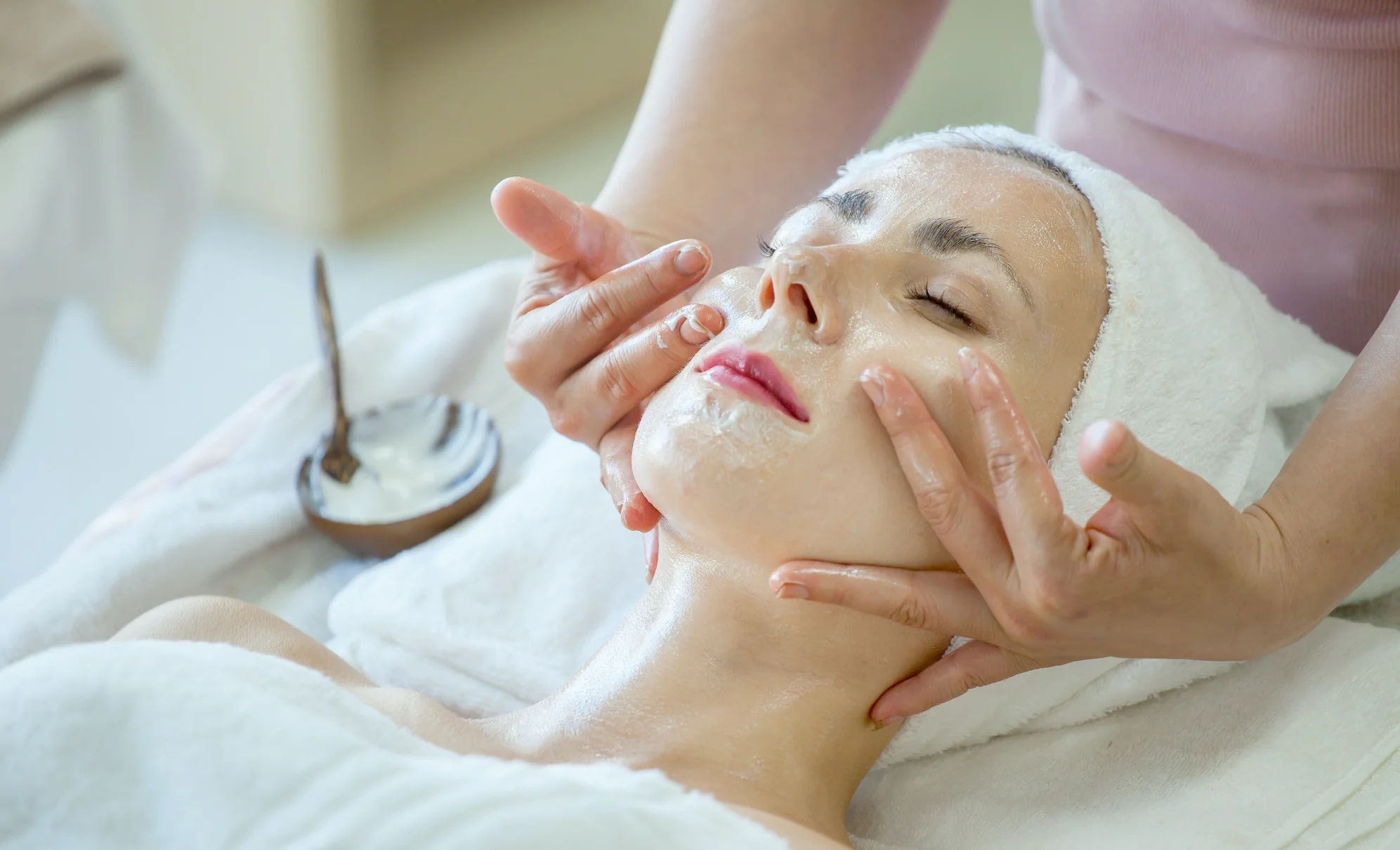
Are you currently experiencing the following acne issues?
✔ Red, inflamed pimples repeatedly appearing on the forehead, cheeks, chin, and other areas
✔ Presence of closed comedones (whiteheads) and open comedones (blackheads), which easily leave post-acne marks or scars after squeezing
✔ Acne breakouts accompanied by stinging, itching, or post-inflammatory hyperpigmentation after the inflammation subsides
✔ Acne still recurs or worsens despite trying various methods
✔ Wanting to self-manage or use medication but unsure if it suits your skin type
First, quickly assess the severity of your acne:
- Mild: Mainly closed comedones and blackheads, with occasional 1-2 red, inflamed pimples and no significant inflammation.
- Moderate: Presence of multiple red, inflamed pimples and pustules, scattered across several facial areas, with noticeable inflammation.
- Severe: Appearance of numerous pustules, nodules, and cysts, easily merging into patches, accompanied by significant pain, and prone to leaving acne scars and marks.
Common Misconceptions:
- Mistaking "acne is caused by inadequate cleansing" and thus over-cleansing or frequently exfoliating, which can damage the skin barrier and worsen inflammation.
- Squeezing acne arbitrarily, especially in the facial danger triangle area, can easily lead to bacterial infection and may leave permanent scars and marks.
- Blindly following trends by using popular acne-removal products, neglecting individual skin type differences, which can lead to skin allergies or aggravated acne.
Consult a dermatologist immediately if the following occurs:
- Acne progresses to severe, with numerous nodules, cysts, or accompanied by significant pain and pus formation.
- Acne continues to recur without improvement after attempting scientific skincare and basic topical products.
- Severe acne scars, pits, or noticeable hyperpigmentation remain after acne subsides, affecting appearance.
- Acne breakouts are accompanied by skin allergies, unbearable itching, or other abnormal skin issues.
Acne is one of the most common skin problems worldwide, affecting individuals regardless of age or gender. Adolescents and alike can be troubled by it. It not only affects outward appearance but may also bring psychological pressure to some, even impacting social interactions and self-confidence. The causes of acne are complex, related to various factors such as endocrine function, sebum secretion, bacterial infection, and lifestyle habits. A single management method often fails to solve the problem completely. Therefore, scientifically identifying one's own acne condition and choosing an appropriate treatment plan are essential to effectively overcome the trouble and nurture skin health.
I. First, Understand: Comparison of 3 Core Types of Acne Treatment Solutions
| Solution Type | Core Procedures | Suitable Candidates | Advantages | Limitations |
|---|---|---|---|---|
| A: Daily Skincare & Lifestyle Habit Adjustment | Choose gentle cleansers, maintain skin oil-water balance; avoid high-sugar, high-fat diets; maintain regular routines, reduce staying up late; practice sun protection to avoid UV-induced hyperpigmentation. | Individuals with mild acne, or as adjuvant therapy for moderate to severe acne; suitable for all skin types, especially sensitive skin. | Gentle and non-irritating, can reduce acne triggers from the root; can improve overall skin quality and lower recurrence probability. | Results appear slowly, only suitable for mild acne; limited effect on reducing inflammation in moderate to severe acne. |
| B: Basic Topical Product Treatment | Use topical products containing ingredients like salicylic acid, azelaic acid, adapalene; follow instructions to build tolerance, apply targeted to acne areas; combine with basic moisturizers to protect the skin barrier. | Individuals with mild to moderate acne; those who can cooperate with product tolerance building and have no significant history of skin allergies. | Relatively targeted, can effectively reduce inflammation, dissolve comedones; convenient to use, can be self-applied at home. | Some products may cause initial irritation (like redness, peeling); must strictly follow usage methods, otherwise may damage skin barrier. |
| C: Professional Medical Intervention Treatment | Dermatologists prescribe oral medications, topical prescription medications based on the condition; or employ medical aesthetic methods like red/blue light therapy, chemical peels, laser treatments; regular follow-up to adjust treatment plan. | Individuals with moderate to severe acne; those ineffective after basic care and topical product treatment; those troubled by significant acne scars/marks. | Treatment effects are significant, can quickly control inflammation, improve acne symptoms; can target acne scar/mark problems. | Must be conducted under guidance of a professional doctor; some medical methods may have short-term post-procedure reactions (like redness, scabbing); must strictly comply with follow-up and care requirements. |
II. Trace the Root: 6 Common Causes of Acne Recurrence
Acne formation results from the combined action of multiple factors. The core is related to skin oil secretion, abnormal follicular keratinization, and bacterial infection. Specifics include:
- Endocrine Fluctuations: During special stages like adolescence, menstrual periods, and pregnancy, changes in bodily hormone levels can stimulate sebaceous glands to over-secrete oil, clogging hair follicles.
- Abnormal Follicular Keratinization: Abnormal metabolism of keratinocytes at the follicular opening clogs pores forming comedones, providing a breeding ground for bacteria.
- Bacterial Infection: Proliferation of Cutibacterium acnes (formerly Propionibacterium acnes) within the follicle triggers inflammatory response, causing comedones to develop into red, inflamed pimples and pustules.
- Lifestyle Habit Influence: Diets high in sugar, fat, and dairy products may stimulate oil secretion; staying up late, excessive stress can disrupt endocrine balance, worsening acne.
- Improper Skin Care: Using overly rich, greasy skincare or cosmetic products that clog pores; over-cleansing or inadequate cleansing damages the skin barrier.
- Genetic Factors: If parents have a history of acne, the probability of children developing acne increases significantly, and symptoms may be more severe.
Understanding the causes of acne helps in more targeted selection of treatment plans, reducing acne outbreaks from the root.
III. Early Identification: 7 Signals That Acne Requires Timely Intervention
If acne is not intervened promptly, it may worsen inflammation and leave permanent scars and marks. Consider taking action soon when the following signals appear:
- Increasing number of closed comedones and blackheads, starting to develop into red, inflamed pimples.
- Pimples develop pustules, pain is noticeable, and the inflammatory area continues to expand.
- Acne recurs repeatedly, with pimples repeatedly appearing in the same area, difficult to self-heal.
- After inflammation subsides, noticeable hyperpigmentation appears on the skin (dark or red post-acne marks).
- Nodular or cystic acne appears, feeling hard to the touch, accompanied by intense pain.
- Acne spreads to multiple areas like the neck, chest, and back.
Early identification of these signals and adopting scientific intervention measures can effectively control acne progression and reduce the risk of scarring and marking.
IV. Draw the Line: Which Situations Allow Self-Care, and Which Require Medical Attention
Daily care procedures are simple and safe, suitable for all acne-prone individuals, especially as basic prevention and for mild acne improvement: Choose a gentle amino acid-based cleanser, cleanse face 1-2 times daily; pair with a lightweight moisturizing lotion to maintain skin oil-water balance; avoid touching or squeezing acne with hands; adjust diet structure, reduce intake of high-sugar, fried foods; ensure adequate sleep, avoid staying up late.
However, seek help from a professional dermatologist promptly in the following situations to avoid self-management:
- Acne progresses to moderate or severe, with numerous pustules, nodules, cysts, and intense inflammatory reaction.
- After trying basic care and standard topical products for 1-2 months, acne symptoms show no improvement or even worsen.
- Noticeable acne scars, pits, or long-lasting hyperpigmentation remain after acne subsides, affecting appearance.
- Acne breakouts are accompanied by abnormal conditions like skin allergies, itching, peeling, with unclear cause.
- Special populations (e.g., during pregnancy, lactation, or with other skin conditions) developing acne, requiring doctor-guided selection of safe treatment methods.
Dermatologists develop personalized treatment plans based on individual skin type, acne type, and severity, avoiding risks from self-management and improving treatment efficacy.
V. Know the Process: Complete Service Steps for Professional Acne Treatment
Standard professional acne treatment typically includes the following steps, adjusted based on individual circumstances:
- Consultation & Diagnosis: Doctor inquires in detail about acne onset time, frequency, past treatment history, observes acne type, distribution, and severity, combines skin type to identify cause.
- Plan Formulation: Based on diagnosis, develop a personalized treatment plan for the patient, potentially including topical prescription medications, oral medications, or combined medical aesthetic treatments.
- Medication Guidance: If involving medication, doctor explains in detail usage method, dosage, frequency, and possible adverse reactions and management measures.
- Medical Aesthetic Treatment (if needed): For patients suitable for medical aesthetic intervention, doctor explains treatment process, preoperative preparation, and postoperative care points, e.g., red/blue light therapy requires sessions per course, postoperative sun protection reinforcement needed.
- Regular Follow-up: Patient needs to follow-up as required by doctor, who adjusts treatment plan based on acne recovery, avoiding blind medication or treatment.
- Care Advice: Doctor provides targeted daily skincare and lifestyle habit adjustment advice combining patient situation, helping consolidate treatment effects and lower recurrence probability.
The core of professional treatment is "personalization" and "scientification," avoiding one-size-fits-all approaches to ensure safety and effectiveness.
VI. Treat According to Type: Targeted Management Techniques for Different Acne Types
Different acne types have varying causes and presentations, requiring targeted management techniques:
- Closed Comedones/Blackheads: Focus on unclogging pores and regulating keratinocyte metabolism. Can choose products containing low concentrations of salicylic acid or azelaic acid to help dissolve keratin; avoid overly rich skincare products to prevent pore clogging.
- Red, Inflamed Pimples/Pustules: Focus on reducing inflammation. Can use topical products containing adapalene or clindamycin to inhibit bacterial proliferation; avoid squeezing, can gently wipe surface secretions with clean cotton swabs, maintain local cleanliness.
- Nodular/Cystic Acne: Requires prompt medical attention. Doctor may prescribe oral antibiotics, isotretinoin, or combine with photodynamic therapy; never self-medicate to avoid delaying treatment.
- Post-Acne Marks/Scars: Post-inflammatory hyperpigmentation can be lightened by practicing sun protection and using products containing Vitamin C or niacinamide; acne scars require medical aesthetic methods like laser treatment, chemical peels, etc., performed after doctor assessment.
Targeted management improves treatment efficiency and avoids aggravating skin problems through blind handling.
VII. Avoid Pitfalls: 5 Key Considerations for Acne Treatment
- Adhere to Treatment Course: Acne treatment is a long-term process. Mild acne requires persistent care for 1-2 months to see noticeable effects; moderate to severe acne treatment cycles may be longer. Never give up due to lack of short-term results.
- Protect Skin Barrier: Regardless of treatment method, emphasis on skin barrier protection is essential. Choose gentle moisturizing products, avoid over-cleansing and exfoliation to prevent skin sensitivity.
- Strict Sun Protection: Ultraviolet rays can worsen acne inflammation and hyperpigmentation. Sun protection is necessary during treatment; choose physical protection (e.g., umbrella) or gentle chemical sunscreen products.
- Avoid Irritating Factors: During treatment, avoid using cosmetics to cover acne to prevent pore clogging; stay away from high-sugar, high-fat diets and bad habits like staying up late to reduce acne triggers.
- Maintain a Positive Mindset: Acne recurrence is normal; do not be anxious over it. Actively cooperate with treatment and adjust lifestyle habits; most people's acne can be effectively controlled.
These considerations are key to successful acne treatment, helping consolidate effects and lower recurrence probability.
VIII. Special Scenarios: Acne Treatment Key Points for Different Populations
- Adolescents: Puberty acne is often related to hormonal fluctuations. Focus mainly on basic care and topical products, avoid premature use of oral medications; parents need to guide children to develop good habits, avoid squeezing acne.
- Pregnancy/Lactation: Requires doctor-guided selection of safe treatment methods, avoiding medications potentially affecting fetus or infant; focus mainly on basic care, use doctor-recommended topical products when necessary.
- Sensitive Skin: Acne patients with sensitive skin need to prioritize skin barrier protection, choose gentle, non-irritating treatment products and skincare methods; avoid using high-concentration acids, alcohol, and other irritating ingredients; seek medical help for a customized plan when necessary.
IX. Choose the Right Professional: How to Select Reliable Dermatology Institutions and Doctors
Choosing professional dermatology institutions and doctors is the premise for ensuring acne treatment efficacy and safety. Judge by the following criteria:
- Possess Standard Credentials: Choose dermatology departments in standard hospitals or medical aesthetic institutions with legal practice licenses; check the institution's business license and the doctor's practice certificate.
- Doctor with Rich Experience: Prioritize doctors specializing in skin disease treatment, especially with extensive experience in acne treatment; understand through patient reviews, case presentations.
- Detailed & Comprehensive Diagnosis: Professional doctors will inquire about medical history in detail, observe skin condition, and develop personalized plans combining individual situation, rather than recommending treatments uniformly.
- Patient & Adequate Communication: Doctors patiently answer patient questions, explain in detail treatment process, medication methods, possible adverse reactions, and precautions.
- Emphasis on Post-Treatment/Medication Follow-up: Require patients to follow up regularly, adjust plans based on recovery, not stop follow-up after treatment.
- No Over-Promotion: Will not blindly recommend high-cost treatment projects or products, but prioritize patient treatment needs and safety as the primary principle.
These criteria help you filter reliable treatment institutions and doctors, avoiding ineffective treatment or skin damage due to improper selection.
X. Act Now: 3-Step Practical Action Guide for Acne Improvement
Step 1: Precisely Assess Your Own Acne Condition
Combine the aforementioned "Mild/Moderate/Severe" acne grading standards, compare with your own acne type (comedones, red pimples, nodules, etc.), distribution, and frequency to clarify your acne severity. Simultaneously check if you belong to situations requiring "immediate dermatologist consultation" to avoid misjudgment leading to treatment delay.
Step 2: Choose an Appropriate Treatment Solution
Refer to the aforementioned "Comparison Table of Common Acne Treatment Solutions." Select a plan based on your acne severity, skin type, and practical ability: Start with daily care and basic topical products for mild acne; for moderate acne, on the basis of good care, choose suitable topical products and build tolerance; for severe acne or those ineffective after basic management, it is suggested to directly consult a dermatologist.
Step 3: Implement Treatment and Regularly Review & Adjust
If choosing daily care and topical products, strictly follow operational standards, persist for 1-2 months and observe skin changes; if choosing professional treatment, follow doctor's requirements for medication, follow-up, and postoperative care. Keep records during this period, e.g., acne frequency, skin reactions, etc., regularly review effectiveness. If abnormalities occur or results are poor, adjust plan or change treatment method promptly.
This guide provides only popular science information and action advice for acne treatment and does not constitute specific medical diagnosis or treatment guidance. Individual skin types and acne conditions vary. For complex or severe acne problems, it is recommended to definitely entrust a professional dermatologist for diagnosis and treatment to safeguard skin health.
Sources Referenced for This Guide:
- https://pmc.ncbi.nlm.nih.gov/articles/PMC11785877/?
- https://pubmed.ncbi.nlm.nih.gov/36412248/
- https://pmc.ncbi.nlm.nih.gov/articles/PMC8395279/?
- https://pubmed.ncbi.nlm.nih.gov/36946555/
- https://www.ncbi.nlm.nih.gov/books/NBK559150/?
- https://pmc.ncbi.nlm.nih.gov/articles/PMC6986132/?
- https://pmc.ncbi.nlm.nih.gov/articles/PMC12046493/?
- https://www.cochrane.org/evidence/CD011946_treatment-acne-scars?
- https://pubmed.ncbi.nlm.nih.gov/27038134/
- https://pubmed.ncbi.nlm.nih.gov/38300170/
- https://pubmed.ncbi.nlm.nih.gov/29894579/
- https://pubmed.ncbi.nlm.nih.gov/39271178/
- https://www.nhs.uk/conditions/acne/?
- https://www.mayoclinic.org/diseases-conditions/acne/symptoms-causes/syc-20368047?
- https://www.aad.org/member/clinical-quality/guidelines/acne?
- https://www.aad.org/public/diseases/acne/skin-care/tips?
- https://www.aad.org/public/diseases/acne/derm-treat/treat?
Related Articles
Teeth Veneers and Crowns: A Comprehensive Guide to Dental Restoration
Dec 2, 2025 at 8:40 AM
Read more about how to Achieve Your Ideal Smile with Cosmetic Dentistry Grants
Nov 11, 2025 at 8:18 PM
Hair Transplantation for Men: A Guide to Procedures, Age-Specific Considerations, Treatment Pathways
Dec 8, 2025 at 3:34 AM
Understanding laser skin resurfacing: What you need to know
Jul 2, 2025 at 2:34 AM
A Guide to Eyebrow Transplants for Older Adults: Prices and Clinics
Nov 3, 2025 at 10:39 AM
Singapore — A Guide to Dentures for Seniors: Prices and Clinics
Oct 23, 2025 at 2:59 AM
Dentures for Seniors: Understanding Types, Costs, Precautions, and Important Notes
Oct 21, 2025 at 2:43 AM
Understanding Functional Seizures: A Patient’s Guide
Oct 13, 2025 at 8:55 AM
How to Choose a Dental Clinic Wisely? A Comprehensive Dental Care Guide
Dec 5, 2025 at 9:57 AM
A guide to finding dental implants: How to choose the right dental implant clinic for you.
Dec 3, 2025 at 7:23 AM


This website only serves as an information collection platform and does not provide related services. All content provided on the website comes from third-party public sources.Always seek the advice of a qualified professional in relation to any specific problem or issue. The information provided on this site is provided "as it is" without warranty of any kind, either express or implied, including but not limited to the implied warranties of merchantability, fitness for a particular purpose, or non-infringement. The owners and operators of this site are not liable for any damages whatsoever arising out of or in connection with the use of this site or the information contained herein.