

Laser Pigmentation Removal for Dark Skin: What to Know
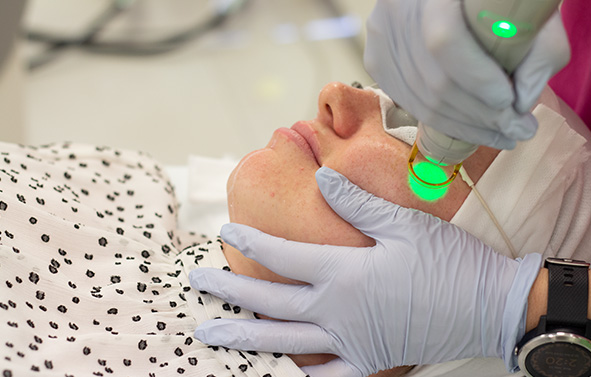
Laser pigmentation removal for dark skin requires a careful, evidence-based approach to reduce risk and improve outcomes. This guide covers why darker skin reacts differently to lasers, which wavelengths are safer, how practitioners plan treatments, and practical aftercare steps to minimize complications and set realistic expectations. The sections below walk through the reasoning behind a tailored approach, common pigmentation conditions, laser types and wavelength considerations, assessment and patch testing, risks and side effects, as well as aftercare and alternatives.
Why darker skin needs a tailored approach
Skin with higher melanin content behaves differently under light-based treatments, so laser pigmentation removal dark skin must be planned deliberately. Melanin absorbs laser energy; when too much energy is absorbed by surrounding skin rather than the pigment target, the result can be unwanted darkening or lightening. A tailored approach evaluates skin type, pigmentation depth, and the pattern of discoloration. Careful selection of wavelength and settings, plus pre-treatment preparation and patch testing, helps reduce risks. Understanding these basics sets the foundation for safer, more predictable improvement in conditions like melasma, post-inflammatory hyperpigmentation, and sunspots.
How pigmentation forms and common conditions
Pigmentation arises from increased melanin production or its uneven distribution. In darker skin tones, common issues include melasma, post-inflammatory hyperpigmentation (PIH) from acne or injury, and lentigines from sun exposure. Melasma often sits in the epidermis and/or dermis and can be hormonally influenced, while PIH follows inflammation. Recognizing whether pigment is superficial or deeper helps determine whether laser treatment is appropriate. Non-laser measures such as sun protection and topical modulation of melanogenesis also play an essential role either alone or alongside laser pigmentation removal dark skin strategies.
Laser types and wavelength considerations
Not all lasers are equal for darker skin. Longer wavelengths penetrate deeper and are less absorbed by epidermal melanin, making Nd:YAG at 1064 nm a common choice for many practitioners treating darker skin. Shorter-wavelength devices (for example, alexandrite) carry higher risk of epidermal injury in pigmented skin and are used with caution. Emerging picosecond devices and fractional technologies may offer benefits but require experienced operators to avoid complications. The goal is to target pigment while minimizing collateral epidermal heating. A clinician’s experience with specific devices is a key factor in choosing the safest option.
Assessment, patch testing and pre-treatment steps
A thorough assessment includes medical history, medication review, and examination under good lighting to map pigment. Practitioners often perform a small test spot to observe how the skin responds over several weeks. Pre-treatment may include topical agents to stabilize melanocytes and reduce inflammation risk; clinicians commonly recommend sun protection and may advise pausing photosensitizing medications. Realistic planning includes setting conservative laser parameters initially and spacing sessions to allow monitoring for post-inflammatory changes. Clear communication about potential outcomes and the need for multiple sessions is essential in any laser pigmentation removal dark skin plan.
Risks, side effects and how to minimize them
The most important risks for darker skin are post-inflammatory hyperpigmentation (PIH) and hypopigmentation. Both can be distressing and sometimes persistent. Strategies to minimize these include using appropriate wavelengths, conservative energy settings, cooling systems, and ensuring inflammation is controlled before and after treatment. Prompt management of any inflammatory response—topical anti-inflammatories and sun avoidance—reduces the likelihood of PIH. Clinicians also emphasize gradual progress over dramatic single-session results and advise against aggressive resurfacing methods unless performed by practitioners experienced with pigmented skin.
Aftercare, expectations and alternatives
Aftercare centers on sun protection, gentle skincare, and following practitioner instructions to limit inflammation. Improvement often requires multiple sessions spaced weeks apart, and maintenance may be needed, especially for hormonally influenced conditions like melasma. Where laser risk is high or patient preference leans away from devices, alternatives include topical lightening agents, chemical peels formulated for darker skin, and strict photoprotection. Combining topical strategies with cautious laser use can enhance results. Realistic expectations and an individualized plan—prioritizing safety and gradual improvement—are the best path for effective laser pigmentation removal dark skin.
References
- https://pmc.ncbi.nlm.nih.gov/articles/PMC5724305/
- https://pmc.ncbi.nlm.nih.gov/articles/PMC2921758/
- https://pmc.ncbi.nlm.nih.gov/articles/PMC9709857/
- https://pmc.ncbi.nlm.nih.gov/articles/PMC12062726/
- https://pmc.ncbi.nlm.nih.gov/articles/PMC9323185/
- https://pmc.ncbi.nlm.nih.gov/articles/PMC5605208/
- https://pmc.ncbi.nlm.nih.gov/articles/PMC10971304/
- https://pmc.ncbi.nlm.nih.gov/articles/PMC11514325/
Related Articles
A Practical Guide to Selecting a Hair Transplant Clinic in the United States
Feb 11, 2026 at 6:22 AM
Revitalize Your Skin: The Ultimate Guide to Laser Skin Resurfacing
Jul 3, 2025 at 3:38 AM
Understanding the Basics: Choosing the Right Hearing Aid for You
Dec 11, 2025 at 9:42 AM
Your Guide to Sleep Medicine: A Realistic Look at Seeing a Sleep Doctor in the U.S.
Mar 4, 2026 at 3:41 AM
Vaccination Clinics in Malaysia: A Practical Guide to Immunisation
Mar 9, 2026 at 7:10 AM
Mechanical Ventilators: Principles, Applications, and Clinical Context
Mar 20, 2026 at 5:42 AM
Cardiac Monitoring Devices : A Comprehensive Scientific Overview
Mar 20, 2026 at 5:38 AM
Double Eyelid Surgery: Anatomical Basis, Procedural Principles, and Outcome Considerations
Mar 19, 2026 at 8:41 AM
Understanding Temporomandibular Joint Disorder Treatment: From Symptoms to Therapy
Mar 19, 2026 at 7:50 AM
When Daytime Sleepiness Takes Over: A Look at Narcolepsy and Hypersomnia Care
Mar 26, 2026 at 9:07 AM
Exercise Consultation: A Scientific Overview of Physical Activity Guidance and Mechanisms
Mar 24, 2026 at 8:59 AM
Chronic Disease Management Services — Structure and Function in Modern Healthcare
Mar 18, 2026 at 9:51 AM
Health Check Consultation: Structure, Interpretation, and Preventive Contexts
Mar 19, 2026 at 8:34 AM
Arthritis: Classification, Mechanisms, and Clinical Perspectives
Mar 19, 2026 at 8:31 AM
Insomnia: A Scientific Exploration of Sleep Disturbance and Its Mechanisms
Mar 24, 2026 at 8:49 AM
Health Check Consultation: A Scientific Overview of Preventive Assessment and Medical Guidance
Mar 24, 2026 at 8:55 AM
Understanding Hypertension — Mechanisms, Risks, and Long-Term Management
Mar 18, 2026 at 9:49 AM
Skin Treatment Singapore: Common Dermatological Treatments and Skin Care Approaches
Mar 12, 2026 at 5:57 AM
Laser Pigmentation Treatment: Mechanisms, Applications, and Objective Evaluation
Mar 20, 2026 at 5:54 AM
Anti-Allergy Medications: Scientific Overview of Types, Mechanisms, and Medical Context
Mar 13, 2026 at 9:23 AM


This website only serves as an information collection platform and does not provide related services. All content provided on the website comes from third-party public sources.Always seek the advice of a qualified professional in relation to any specific problem or issue. The information provided on this site is provided "as it is" without warranty of any kind, either express or implied, including but not limited to the implied warranties of merchantability, fitness for a particular purpose, or non-infringement. The owners and operators of this site are not liable for any damages whatsoever arising out of or in connection with the use of this site or the information contained herein.