

A Homeowner's Guide to ADU Garage Conversions: Expanding Your Space and Your Home's Potential
Have you ever looked at your garage and seen more than just a place for your car or storage? Many homeowners are discovering the untapped potential of their underutilized garages by transforming them into Accessory Dwelling Units, or ADUs. This process, known as a garage conversion, is a significant home improvement service that creates a fully functional, independent living space on your existing property. Whether the goal is to accommodate family members, generate rental income, or create a dedicated home office or studio, understanding the complete scope of this service is crucial.
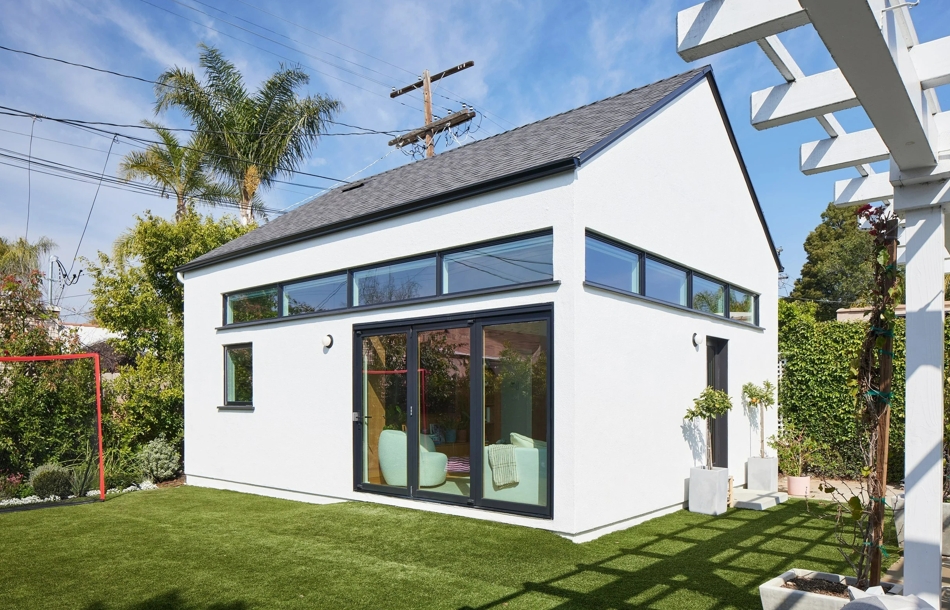
This guide will walk through the garage conversion process as a professional service. It will break down what this project entails, from the initial concept to the final walk-through. The following sections will detail the typical phases of work, the professionals involved, key considerations like budgeting and timelines, the critical importance of navigating local building codes and permits, design and material choices, how this project suits different homeowner needs, and answers to common questions.
Part 1: Understanding the Garage Conversion Service Model
A garage conversion is not a simple DIY weekend project but a comprehensive construction service. It involves a series of coordinated phases where professional expertise is essential to ensure the new space is safe, legal, comfortable, and adds value to the property.
| Phase of Service | Primary Activities & Objectives | Key Considerations for Homeowners |
|---|---|---|
| 1. Consultation & Feasibility | Initial site evaluation, discussion of goals, review of local zoning laws (setbacks, size limits), and high-level budget estimation. | Determines if the project is viable under local rules and aligns with the homeowner's vision and investment level. |
| 2. Design & Planning | Creation of architectural drawings, space planning, selection of fixtures and finishes, and detailed specification of all construction elements. | This phase formalizes the vision into buildable plans required for permit applications. |
| 3. Permitting | The service provider prepares and submits detailed construction drawings and documentation to the local municipal building department for review and approval. | This is a non-negotiable, time-intensive step. Starting construction without permits can result in fines and orders to demolish the work. |
| 4. Construction | The physical transformation, which typically includes foundation work, framing, installation of utilities (electrical, plumbing, HVAC), insulation, drywall, flooring, and finishes. | The project transitions from planning to physical change, requiring clear communication and regular on-site updates. |
| 5. Final Inspection & Closeout | The completed work is inspected by a municipal building official. Upon passing, a certificate of occupancy or completion is issued, and final details with the homeowner are settled. | This official sign-off confirms the space is built to code and legally habitable. |
Part 2: The Professional Team and Their Roles
A successful garage conversion relies on a coordinated team of licensed professionals, each bringing specialized expertise that a general contractor typically manages.
- General Contractor: Acts as the project manager, coordinating all subcontracted trades, scheduling, ordering materials, and serving as the main point of contact. Their experience in pulling permits and ensuring code compliance is invaluable.
- Architect or Designer: Develops the formal space plans and construction drawings that maximize the layout for function, light, and flow. Their work is essential for the permit application.
- Structural Engineer: Assesses the existing garage foundation and framing to ensure it can support the new living space and may design necessary reinforcements.
- Specialty Subcontractors: Licensed electricians, plumbers, and HVAC technicians are responsible for installing and bringing all utilities to the new unit, which is a core part of making the space truly independent and comfortable.
Part 3: Financial and Time Investment Analysis
The investment for a garage conversion varies widely based on location, size, design complexity, and material choices. Understanding the cost components and timeline helps in planning.
1.Typical Cost Range: A full garage conversion to a permitted ADU represents a major renovation. Total project costs can vary significantly but often fall within a range that reflects the complexity of adding full living facilities. Industry analyses of home renovations suggest that projects involving new kitchens, bathrooms, and utility systems are among the more substantial investments a homeowner can make.
2.Primary Cost Drivers:
- Scope of Utilities: Adding a full bathroom and kitchenette (with plumbing, electrical, and ventilation) is a major cost factor.
- Material Specifications: Choices in flooring, cabinetry, countertops, and fixtures greatly impact the budget.
- Site Conditions: The need to reinforce the foundation, replace the roof, or upgrade the main home's electrical panel to support the new unit adds to costs.
- Professional Fees: Architectural design, engineering, and permitting fees are separate from pure construction costs.
3.Typical Project Timeline:
- Planning & Permitting: 3 to 6 months. This phase is often the most unpredictable due to municipal review timelines.
- Construction: 3 to 5 months, depending on weather, material availability, and change orders.
Part 4: Navigating Regulations, Codes, and Permits
This is the most critical procedural hurdle. Building codes (like the International Residential Code) and local zoning ordinances dictate every aspect of the project.
- Zoning Approval: The local planning department must approve the ADU's size, placement on the lot, parking requirements, and its use (e.g., rental).
- Building Permits: The building department reviews detailed plans to ensure compliance with codes for structural integrity, fire safety (including smoke alarms and potential firewall separation), energy efficiency, electrical systems, and plumbing.
- Other Potential Approvals: Reviews may be needed from environmental, public works, or fire departments.
Part 5: Key Design and Livability Considerations
The design phase transforms a garage shell into a livable space. Key service considerations include:
- Ceiling Height & Flooring: Building codes typically require a minimum ceiling height (often 7.5 feet) in habitable rooms. The existing garage slab may need to be built up or covered with subflooring for insulation and moisture protection before installing finished flooring.
- Insulation & Climate Control: Garages are rarely insulated to residential standards. A core part of the conversion service is installing insulation in walls and the ceiling and extending the home's HVAC system or adding a dedicated mini-split system.
- Natural Light & Egress: Converting solid garage doors into wall space with windows is crucial for light and ventilation. Building codes also require bedrooms to have an emergency egress window of specific size.
Part 6: How a Garage Conversion Suits Different Homeowner Goals
This service can be a strategic solution for various life circumstances.
- For Multi-Generational Families: Creates a private, independent living space for aging parents or adults children, offering proximity with privacy.
- For Long-Term Financial Planning: A permitted ADU can generate rental income, which analysis from sources like housing policy research indicates can provide a notable financial return over time and significantly increase a property's overall market value.
- For Home-Based Needs: Provides a dedicated, separated space for a home office, art studio, or fitness room, improving work-life balance.
Part 7: Long-Term Value and Considerations
Beyond immediate use, a professionally completed conversion is a long-term investment. A permitted, code-compliant ADU is considered a permanent improvement that adds square footage and function to a property, which can be reflected in its appraised value. Homeowners should also consider the potential increase in property taxes (based on the added value) and update their homeowner's insurance policy to cover the new structure and its use.
Part 8: Frequently Asked Questions
Q: What is the difference between a "garage conversion" and a new "ADU construction"?
A: A conversion utilizes the existing garage structure (foundation, walls, roof), which can be more cost-effective and faster than building from the ground up. New construction offers complete design freedom but typically at a higher cost and longer timeline.
Q: Can any garage be converted?
A: Not automatically. Factors like the garage's structural condition, lot zoning (minimum lot size, setback rules), and the home's capacity for additional utility connections all determine feasibility. A professional consultation is the first step to find out.
Q: Do I need to provide parking if I convert my garage?
A: Local zoning laws vary widely. Some jurisdictions, especially those encouraging ADUs to increase housing, have eliminated parking replacement requirements. Others may require one or more off-street parking spaces to be created elsewhere on the property.
Q: How long does the permit process take?
A: This is highly dependent on the municipality. It can range from a few weeks in some cities to several months in others, depending on the workload of the planning and building departments and the completeness of the application.
Data Source References:
- https://codes.iccsafe.org/s/IRC2021P2/chapter-3-building-planning/IRC2021P2-Pt03-Ch03-SecR310.1
- https://codes.iccsafe.org/content/IBC2021P2/chapter-10-means-of-egress
- https://www.energy.gov/energysaver/heat-pump-water-heaters
- https://www.energy.gov/energysaver/heat-pump-systems
- https://www.energy.gov/sites/default/files/2024-11/bto-peer-2024-32253-hp-hpwh-national-partnership-project-metzger.pdf
- https://www.hcd.ca.gov/sites/default/files/docs/policy-and-research/adu-handbook-update.pdf
- https://www.hcd.ca.gov/building-standards/adu
- https://singlefamily.fanniemae.com/originating-underwriting/mortgage-products/accessory-dwelling-units
- https://singlefamily.fanniemae.com/media/8251/display
- https://singlefamily.fanniemae.com/media/44506/display
- https://www.hud.gov/sites/dfiles/OCHCO/documents/2023-17hsgml.pdf
- https://www.hud.gov/sites/dfiles/SFH/documents/SFH_FHA_INFO_2023-89.pdf
- https://content.boston.gov/departments/housing/building-your-accessory-dwelling-unit
- https://content.boston.gov/departments/housing/planning-your-accessory-dwelling-unit
- https://mybuildingpermit.com/sites/default/files/inline-files/TS_25_Garage_Conversions_Final.pdf
- https://cms7files1.revize.com/roycityut/Departments/building%20permits%20inspections/handouts/IRC%20Egress%20windows%202021.pdf
- https://smcacre.gov/assessor/accessory-dwelling-unit
- https://www.revivaladu.com/post/how-an-adu-impacts-property-taxes
- https://www.egresswindows.com/its-the-law?srsltid=AfmBOoq5678gJnMjlqRvAsyXkcvibbI0-9m_UPWH9cQdsfiZKMEdP8aD
Related Articles
Portable Storage Rental — U.S. practical guide
Oct 30, 2025 at 10:23 AM
Paid training for cyber security: benefits, methods, and considerations
Jul 29, 2025 at 6:33 AM
Understanding AC Companies and How to Choose the Right One
May 6, 2025 at 2:52 AM
What Security Awareness Training Really Means for Your Business
Oct 24, 2025 at 9:51 AM
🚜 Forklift Operator Jobs in the U.S. — Stable and In Demand!
Nov 12, 2025 at 9:14 AM
Retirement Community Handbook — Detailed Explanation of Retirement Communities for Seniors
Dec 10, 2025 at 9:44 AM
Understanding Plumbing Services: Key Insights, Costs, and Budget-Friendly Solutions
Sep 2, 2025 at 7:58 AM
🩺 Travel Nurse Jobs in the U.S.: How to Quickly Find the Right Fit and Why It’s Worth It
Nov 3, 2025 at 7:19 AM
Explore Diverse United States Volunteer Programs to Enrich Your Life and Strengthen Your Community
Nov 28, 2025 at 7:37 AM
HVAC Apprenticeship Program: Paid Training, Career Development, and Salary Potential
Jul 30, 2025 at 7:16 AM


This website only serves as an information collection platform and does not provide related services. All content provided on the website comes from third-party public sources.Always seek the advice of a qualified professional in relation to any specific problem or issue. The information provided on this site is provided "as it is" without warranty of any kind, either express or implied, including but not limited to the implied warranties of merchantability, fitness for a particular purpose, or non-infringement. The owners and operators of this site are not liable for any damages whatsoever arising out of or in connection with the use of this site or the information contained herein.