
Liposuction is a surgical body-contouring procedure that removes pockets of subcutaneous fat beneath the skin to reshape and refine particular areas of the body—commonly the abdomen, flanks, thighs, hips, buttocks, arms, and under the chin—by physically extracting fat cells through small access points. Rather than serving as a method for overall weight reduction, the procedure focuses on altering local proportions and smoothing problem zones so the silhouette appears more balanced; This guide walks through the basic principles and common techniques, explains how considerations change across different ages , outlines typical cost drivers and recovery stages, and lists practical points for evaluating clinics and surgeons.
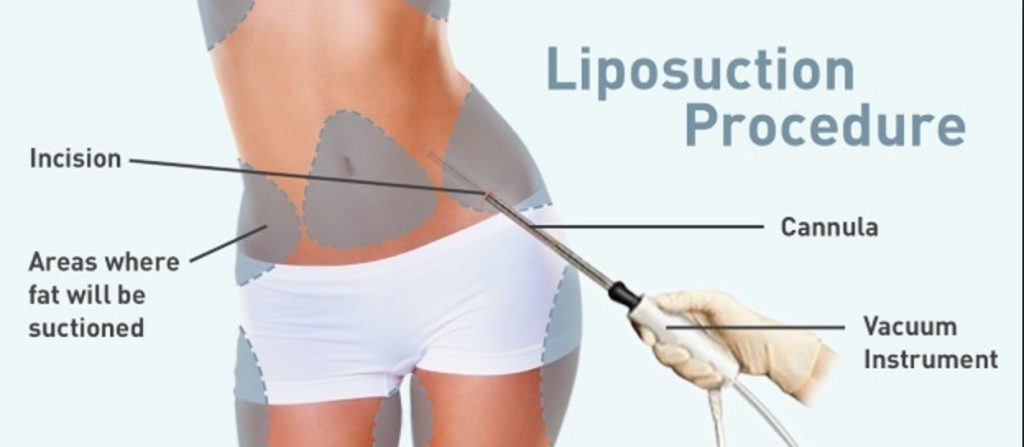
What liposuction actually does
- Liposuction removes fat that sits under the skin (subcutaneous fat) using suction after loosening it with manual or energy-assisted methods. It is primarily a contouring tool, not a method for overall weight reduction.
- Results are usually long-term if body weight remains stable, because treated fat cells are removed. However, remaining fat cells can grow with weight gain, and fat distribution can change after the procedure.
Detailed Explanation of Liposuction and Body Contouring Techniques: Methods, Principles, and Choices
Body contouring surgery aims to improve body lines by removing localized, stubborn fat deposits, with liposuction being the core method. This type of surgery is not a weight-loss method but is intended for sculpting specific fat deposits that are difficult to eliminate through diet and exercise. Modern medicine has developed a variety of techniques, each with its own principles, applicable scenarios, and characteristics.
Core Liposuction Techniques: Principles and Procedures
The following are several mainstream liposuction techniques widely used in clinical practice today, typically performed on the foundation of tumescent anesthesia.
1. Tumescent Liposuction
- Principle and Procedure: This is the safety cornerstone of modern liposuction. A large volume of diluted local anesthetic (such as lidocaine) and vasoconstrictor (such as epinephrine) solution is injected into the targeted fat layer. This solution effectively anesthetizes the area, significantly reduces intraoperative bleeding, and causes fat cells to swell and become "friable," making them easier and safer to separate and suction.
- Technical Role: It is an independent technique in itself, but more importantly, it provides the foundational operative environment for almost all other liposuction methods, enhancing their safety and efficiency.
2. Suction-Assisted Liposuction
- Principle and Procedure: This is the most classic and widely applied technique. The surgeon inserts a hollow metal tube (called a cannula) through small incisions in the skin. The cannula is moved back and forth manually to physically separate the fat tissue, while a connected vacuum suction device removes the fat from the body.
- Characteristics: The technique is direct and relies on the surgeon's tactile skill and experience to create smooth contours. It is suitable for removing fat from large areas and is the fundamental method mastered by many surgeons.
3. Power-Assisted Liposuction
- Principle and Procedure: This is a technical improvement based on SAL. The cannula is connected to a power unit that allows its tip to vibrate or rotate in a controlled, rapid micro-motion. This mechanical movement replaces purely manual operation, helping the surgeon break up fat tissue with less physical effort.
- Advantages: Can reduce the surgeon's physical exertion. It may improve efficiency and help maintain operative stability when dealing with denser fibrous tissue or large areas requiring prolonged operation.
4. Ultrasound-Assisted Liposuction and VASER Technology
- Principle and Procedure: Utilizes ultrasonic energy to selectively emulsify fat cells. A special probe is inserted under the skin to deliver ultrasonic energy to the fat tissue. The sonic energy ruptures and liquefies the fat cell membranes while causing relatively less damage to surrounding tissues like blood vessels and nerves.UAL: Usually refers to earlier ultrasound technology with higher energy output.VASER: An advanced version of UAL that uses specific-frequency, pulsed ultrasound, allowing for more precise fat emulsification. It is particularly suitable for areas with more fibrous tissue (such as the male chest, back) and areas requiring high-precision sculpting (such as abdominal etching).
- Advantages: Effective for dense fat and secondary revision surgeries. It may be gentler on surrounding tissues due to its selectivity.
5. Laser-Assisted Liposuction
- Principle and Procedure: A thin optical fiber is introduced through a small incision into the fat layer, emitting laser energy of a specific wavelength. The laser energy primarily acts on the fat cell membranes, causing them to rupture and liquefy. Simultaneously, the heat generated by the laser may stimulate the dermis of the skin, theoretically potentially promoting postoperative skin contraction and tightening.
- Characteristics: Its effect on promoting skin tightening varies depending on individual skin elasticity, age, and treatment area, and does not produce significant results in all cases. It is often used as an adjunct to other liposuction techniques (like SAL) for treating small to medium-sized areas with mild skin laxity.
Technique Comparison and Considerations for Treatment Selection
Core Trade-offs Comparison of Techniques
| Technique Name | Core Principle | Main Potential Advantages | Main Considerations | Typical Applicable Scenarios |
|---|---|---|---|---|
| Suction-Assisted Liposuction | Mechanical Disruption + Vacuum Suction | Technically mature, direct and efficient, strong capability for handling large areas of fat. | More reliant on the surgeon's physical strength and skill; operative resistance may be greater in areas of dense fat. | Large-area fat accumulation such as abdomen, thighs, buttocks. |
| Power-Assisted Liposuction | Mechanical Vibration Disruption + Vacuum Suction | Reduces surgeon's physical burden; may improve efficiency in dense fat. | Increased equipment cost; the vibration sensation may require patient adaptation. | Large areas, secondary surgeries, or areas with harder fat consistency. |
| Ultrasound-Assisted Liposuction | Ultrasound Emulsification + Vacuum Suction | Effective for fibrous tissue; may reduce vascular damage; aid in precise sculpting. | Operative time may be prolonged; risk of thermal injury exists (requires experienced surgeon to avoid). | Gynecomastia, back, flanks, and areas requiring high-precision etching. |
| Laser-Assisted Liposuction | Laser Liquefaction + Thermal Stimulation | May assist in promoting skin contraction and tightening; smaller incisions. | Skin tightening effect varies by individual; limited amount of fat processed per session. | Small areas with mild skin laxity such as jawline, upper arms, calves. |
Key Factors in Choosing a Treatment Method
Treatment decision-making is comprehensive and depends on:
- Treatment Goals: Is the aim to remove a large volume of fat, or for detailed contour sculpting? Is addressing skin laxity also needed?
- Fat Characteristics: What is the area, thickness, and texture (e.g., degree of fibrosis) of the fat?
- Skin Condition: The elasticity, thickness, and estimated retraction capability of the skin are key.
- Individual Health Status: Includes healing capacity, medication history, and past surgical history.
- Surgeon's Professional Judgment and Experience: The surgeon will recommend the technique they are most proficient in and that best suits the patient's specific situation, based on their training, experience, and familiarity with the equipment.
Age-specific considerations
Younger adults (roughly 20s–30s)
- Typical pattern: stubborn localized fat pockets (flanks, inner thighs, submental area) despite healthy diet and exercise.
- Key considerations: Skin elasticity tends to be better, which favors smoother retraction after fat removal. However, body shape and weight can change over years; planning should account for possible future shifts. Medical and lifestyle approaches may be part of long-term management.
Middle-aged adults (roughly 40s–50s)
- Typical pattern: changes in fat distribution with slower metabolism; more patients seek combined procedures (for example, liposuction with abdominoplasty) to address both excess fat and loose skin.
- Key considerations: More realistic planning about achievable contour and awareness of combined procedure risks is useful; donor/treated areas should be prioritized to optimize long-term appearance.
Older adults (60s and beyond)
- Typical pattern: fat pockets may be stable but skin laxity increases and donor areas may thin.
- Key considerations: Healing capacity and general health become central to candidacy. Skin retraction may be limited; sometimes a combined skin-excision procedure is the better option for a smoother result.
Related Explanation
- Women: Common target areas include hips, outer/inner thighs, abdomen, and buttock contouring. Pregnancy and hormonal changes can affect fat distribution and skin quality; prior pregnancies and abdominal muscle separation may influence surgical planning.
- Men: Areas often treated include abdomen, flanks (love handles), chest (for gynecomastia or excess fat), and neck/submental area. Men may have thicker, more fibrous fat in some areas, which can affect technique choice.
Factors that influence cost
Costs vary widely and are typically based on some combination of the following:
- Number of areas treated and total procedural time.
- Technique and technology used (e.g., tumescent vs. ultrasound or laser assistance).
- Facility fees, anesthesia fees, and post-operative garments or medications.
- Geographic location and surgeon experience (surgeon fees tend to vary by region and by specific surgeon training/volume).
When comparing estimates, ask for an itemized breakdown covering surgeon fee, facility/anesthesia fees, and expected follow-up visits.
Typical surgical day and recovery timeline
- On the day: Local or general anesthesia may be used according to the plan. The surgeon marks target areas, injects tumescent fluid when applicable, harvests fat, and closes small access sites. Compression garments are usually applied.
- First 1–2 weeks: Bruising and swelling are common. Pain is usually managed with prescribed or over-the-counter medication per the surgical plan. Activity is limited and walking is encouraged to lower the risk of blood clots.
- 2–6 weeks: Swelling starts to recede, and many return to light work and non-impact exercise as cleared by the care team. Residual swelling can remain for months, especially with larger volume procedures.
- 3–6 months: Contour becomes more apparent as tissues settle. Final results for many patients are assessed around 3–6 months, with further soft improvements sometimes continuing up to 12 months.
- Long term: Results last when body weight remains stable. If weight is gained, appearance can change because remaining fat cells can enlarge.
Risks and complications (what to watch for)
Liposuction carries typical surgical risks plus some procedure-specific concerns. Common and important risks include:
- Bruising, temporary numbness, and swelling (can persist for months).
- Contour irregularities or lumps if healing is uneven.
- Infection, bleeding, or fluid collections (seroma).
- Rare but serious events: fat embolism, deep vein thrombosis (DVT), or organ injury when performed improperly.
A clear, realistic conversation about individual risk factors—medical history, medications, and general health—helps clarify the probability of complications for each person.
Choosing a clinic and surgeon — practical evaluation points
Questions and checks that help with an informed choice:
- Credentials and training: Confirm the surgeon’s board certification in plastic surgery or equivalent specialty and ask about specific liposuction experience.
- Case examples: Review before-and-after photos of patients with similar body types and goals. Look for natural, consistent results across multiple cases.
- Facility accreditation: Procedures done in accredited surgical facilities or hospitals generally follow safety and staffing standards.
- Clear consent and documentation: A satisfactory consultation should include a documented plan, itemized cost estimate, and written details about risks and expected recovery.
- Follow-up care: Ask how post-operative concerns are handled, who is available for urgent questions, and how many follow-up visits are included.
Frequently asked questions (short answers)
Q: How long before clothes fit differently?
A: Many notice some change as swelling decreases over several weeks; more definitive contour is usually seen by 3 months.
Q: Is liposuction a weight-loss method?
A: No—liposuction is for contouring; it removes localized fat but is not a substitute for comprehensive weight loss.
Q: Will skin tighten after fat removal?
A: Skin retraction depends on age, genetics, and how elastic the skin is. Younger skin tends to retract better; in cases of significant laxity, additional skin tightening procedures may be discussed.
Q: How common is the procedure?
A: Liposuction ranks among the most commonly performed cosmetic surgical procedures worldwide; many professional surveys report it as the leading surgical cosmetic procedure in recent years.
Closing notes
This information is intended to explain the basics and typical pathways related to liposuction. Individual suitability and outcomes vary. A personalized clinical assessment, including discussion of health status, goals, and realistic outcomes, is the appropriate next step for anyone seeking more specific guidance.
Sources (all links)
- https://www.plasticsurgery.org/documents/News/Statistics/2023/plastic-surgery-statistics-report-2023.pdf
- https://www.plasticsurgery.org/plastic-surgery-statistics-2023
- https://www.isaps.org/discover/about-isaps/global-statistics/global-survey-2023-full-report-and-press-releases/
- https://www.mayoclinic.org/tests-procedures/liposuction/about/pac-20384586
- https://www.nhs.uk/tests-and-treatments/cosmetic-procedures/cosmetic-surgery/liposuction/
- https://www.ncbi.nlm.nih.gov/books/NBK563135/
- https://baaps.org.uk/patients/procedures/17/liposuction
- https://www.theaestheticsociety.org/nonsurgical-procedures/articles/liposuction-recovery-5-little-words-you-need-know
- https://www.ramsayhealth.co.uk/blog/cosmetic-surgery/liposuction-what-can-i-expect
- https://www.jpaget.nhs.uk/media/es0avcfe/bc-8-liposuction-trust-print-v1.pdf