
Introduction: What is Laser Therapy? Why is it Important?
Laser Therapy is a category of professional medical procedures that utilize controlled light energy to improve skin condition or tissue status. In the fields of dermatology and aesthetic medicine, laser therapy is widely used to address a variety of skin presentations due to its high precision, predictable outcomes, and customizable parameters.
While lasers are often perceived as "aesthetic enhancement technology," their medical value extends far beyond. Lasers can be used to improve long-standing skin texture issues, promote collagen rebuilding, address pigmentation irregularities, fade mild scars, and help restore a healthier skin barrier.
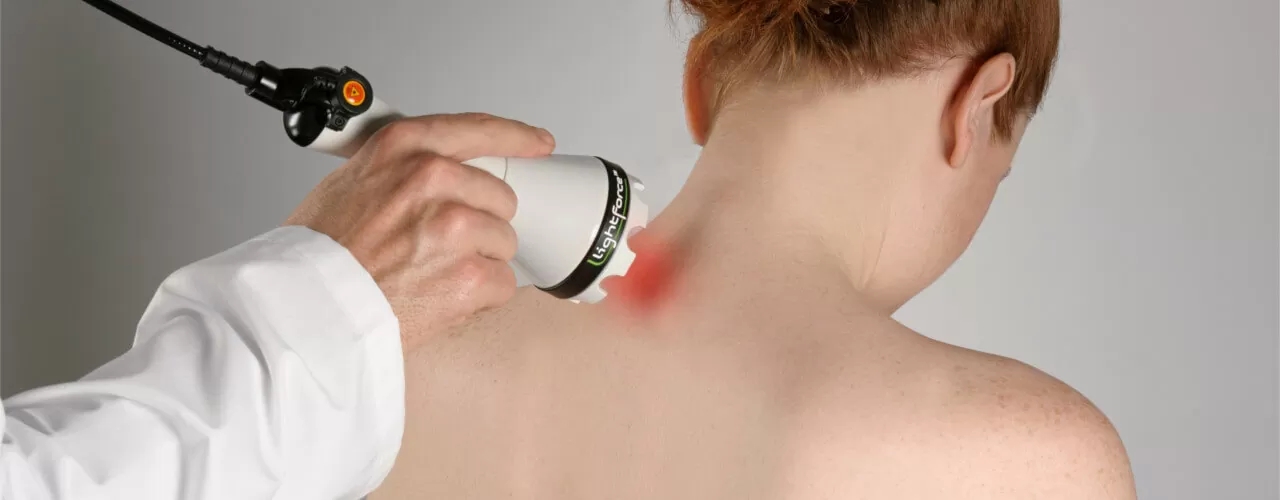
Understanding the scope, principles, and limitations of laser therapy is key to making safe and effective treatment decisions. This guide will elaborate step-by-step on:
- The causes behind common skin problems
- Conditions for which laser therapy is and is not suitable
- Current common clinical laser types and their principles
- Scientific post-treatment care
- Methods for long-term management and maintenance of results
Part 1: What Skin Problems is Laser Therapy Typically Addressed For? — Understanding from the Cause
The skin problems that prompt people to seek laser therapy are often not short-term changes but the result of the combined effects of biological aging, environmental accumulation, and individual constitution.
Structural Changes Brought by Natural Aging
As age increases, deep and superficial changes occur in skin structure, including:
- Decrease in Collagen: Leads to uneven texture and reduced elasticity.
- Loss of Elastin: Skin becomes more prone to fine lines and mild depressions.
- Slowing Cell Renewal Rate: Causes dullness and uneven skin tone.Although these changes are a natural process, they create visible effects on appearance.
Long-Term Impact of Environment and Lifestyle
- Sun Exposure (UV Rays): Accelerates pigment accumulation, roughness, and fine line formation.
- Air Pollution: Long-term exposure can weaken the skin barrier and trigger oxidative stress.
- Sleep Deprivation and Stress: Hormonal changes can affect skin evenness and radiance.
Genetic Factors
Everyone's skin reacts differently to external stimuli:
- Some people are naturally prone to hyperpigmentation.
- Some are more likely to develop uneven skin tone or mild post-inflammatory hyperpigmentation.
- Some have thin epidermis where texture is easily visible.Genetic predisposition makes some individuals more inclined to seek professional solutions.
Part 2: Applicable Situations and Key Assessment Points — When is Laser Therapy Considered?
Laser therapy is not suitable for all skin problems; accurate professional assessment is crucial.
Common Skin Conditions Where Laser May Be Applicable
The following conditions, if they significantly affect appearance or self-perception, can typically be assessed by a professional for suitability for laser therapy:
- Uneven Skin Texture (roughness, bumpiness)
- Uneven Skin Tone (noticeable color difference, localized pigmentation issues)
- Dullness and Lack of Radiance
- Mild Texture Irregularities (caused by aging, environmental exposure)
Characteristics of Possibly Suitable Candidates
Laser therapy may be considered by individuals who:
- Find daily skincare effects limited.
- Desire a supervised approach handled by professionals.
- Want a precision method targeting localized areas for improvement.
Situations Requiring Careful Distinction and Avoidance of Misapplication
To ensure safety and avoid unnecessary risks, the following should be ruled out before recommending laser:
Conditions not primarily within the scope of laser treatment:
- Deep Volume Loss (e.g., significant hollowing): Usually requires deeper-level treatments.
- Skin in an Active Phase of Inflammation or Disease: Such as active redness, eczema flare-ups, or dermatitis.
- Hormone-Related Pigmentation (e.g., Melasma): Using laser alone carries higher risks; requires combined medical management.Accurate assessment can prevent inappropriate treatment and improve outcome predictability.
Part 3: Common Laser Treatment Methods and Clinical Principles
"Laser" is not a single technology but encompasses various devices with different wavelengths, energy modes, and depths of action.
Fractional Laser
- Principle: The laser beam is divided into many microscopic columns, creating "microscopic thermal injury zones" that stimulate repair and collagen rebuilding.
- Uses: Improves rough texture, fine lines, mild acne scars.
- Advantage: Relatively shorter recovery period, improves deep structural issues.
Q-Switched Laser
- Principle: Uses extremely short pulses to shatter skin pigment particles, which are then metabolically eliminated.
- Uses: Sun spots, freckles, uneven skin tone.
- Characteristic: High precision for superficial pigmentation.
Picosecond Laser
- Principle: Even shorter pulse duration than Q-switched lasers, making pigment particles easier to shatter while stimulating collagen.
- Uses: Stubborn pigmentation, uneven skin tone, acne marks, radiance improvement.
- Characteristic: Short recovery period, wide applicability.
Non-Ablative Laser Resurfacing
- Principle: Heats the dermis to promote collagen production without damaging the epidermis.
- Uses: Dullness, mild laxity, early signs of aging.
- Characteristic: Minimal downtime, effects accumulate over multiple sessions.
Ablative Laser (CO₂, Er:YAG)
- Principle: Removes the epidermal layer, allowing skin to rebuild; a more intensive laser modality.
- Uses: Significant texture issues, deep scars, pronounced signs of aging.
- Characteristic: Noticeable effects, but longer recovery period, requires operation by an experienced physician.
Vascular Laser (e.g., Pulsed Dye Laser)
- Principle: Targets hemoglobin, sealing dilated microvessels.
- Uses: Visible redness (telangiectasia), mild erythema, post-inflammatory redness.
- Characteristic: Often used for managing redness in sensitive skin.
Multi-Modality Combination Therapy
For conditions where multiple concerns coexist, a single type of laser is often insufficient.
Common combinations are tailored by professionals based on skin response and may include different wavelengths or techniques used in a series
Part 4: Post-Treatment Care Principles and Safety Considerations
Scientific post-treatment care significantly impacts comfort and the stability of results.
Basic Post-Treatment Care
- Strict Sun Protection (Essential): Skin is more photosensitive after laser treatment.
- Gentle Cleansing: Avoid irritating ingredients.
- Avoid High-Temperature Environments: Saunas, hot baths, strenuous exercise should be temporarily avoided.
- Consistent Moisturization: Aid in barrier recovery.
- Avoid Friction or Scrubbing: Skin needs to shed naturally.
Long-Term Maintenance and Result Sustainability
Lasers can improve texture and pigmentation but cannot halt natural aging or eliminate long-term environmental stressors.
Maintaining results relies on:
- A consistent sun protection habit
- A supportive skincare regimen
- Regular professional assessment
- Avoiding high-risk factors like sun exposure
Frequently Asked Questions (FAQ)
Is laser therapy painful? Does it require anesthesia?
Sensation varies by laser type. Non-ablative lasers may feel like a light snap, often not requiring anesthesia. Fractional or ablative lasers involve a stronger sensation, for which topical anesthetic cream is commonly used. Professionals adjust settings for comfort.
How safe is laser therapy? What are the potential side effects?
When performed by professionals in accredited medical settings, laser therapy has a established safety profile. Common, temporary reactions include redness, swelling, and dryness. Less common side effects can include changes in pigmentation or scabbing, risks which a qualified provider will work to minimize through proper patient selection and technique.
Is laser therapy suitable for all skin tones?
Compatibility varies. Many modern lasers, like picosecond and certain non-ablative devices, are considered safe for a wider range of skin tones. Traditional ablative lasers require more caution in individuals with darker skin to minimize pigmentation risks. A pre-treatment skin assessment is standard.
Can I wear makeup after laser treatment?
Guidelines differ. After non-ablative treatments, light makeup may often be applied within a day. Following fractional or ablative procedures, it is necessary to wait until the skin surface has fully healed, as advised by your provider, to avoid infection.
Conclusion: Choosing Laser Therapy in a Scientific and Rational Manner
Laser therapy is a structured, controllable category of dermatological medical procedures performed by professionals. It can significantly improve various skin concerns, but it must match the actual underlying causes.
Making a safe and reasonable choice requires following main principles:
- Undergo a thorough assessment by a qualified professional.
- Establish realistic treatment expectations.
- Strictly implement scientific post-treatment care.Consulting a board-certified dermatologist or a licensed medical professional in an appropriate specialty ensures the treatment plan is suitable for your skin condition and adheres to medical safety standards.
Sources and Further Reading:
- https://www.jaad.org/article/S0190-9622(23)01710-3/fulltext?
- https://pmc.ncbi.nlm.nih.gov/articles/PMC10971304/?
- https://pubmed.ncbi.nlm.nih.gov/30702447/
- https://pmc.ncbi.nlm.nih.gov/articles/PMC2884838/?
- https://pmc.ncbi.nlm.nih.gov/articles/PMC10258696/?
- https://pmc.ncbi.nlm.nih.gov/articles/PMC9852188/?
- https://pubmed.ncbi.nlm.nih.gov/32282094/
- https://www.mayoclinic.org/tests-procedures/laser-resurfacing/care-at-mayo-clinic/pcc-20385116?
- https://www.mayoclinic.org/tests-procedures/laser-resurfacing/about/pac-20385114?
- https://www.fda.gov/regulatory-information/search-fda-guidance-documents/compliance-guide-laser-products-fda-86-8260?
- https://www.fda.gov/radiation-emitting-products/home-business-and-entertainment-products/laser-products-and-instruments?
- https://www.fda.gov/radiation-emitting-products/surgical-and-therapeutic-products/medical-lasers?
- https://www.aad.org/public/cosmetic/scars-stretch-marks/laser-treatment-scar?
- https://www.aad.org/public/diseases/rosacea/treatment/lasers-lights?
- https://www.aad.org/public/cosmetic/hair-removal/laser-hair-removal-faqs?
- https://www.aad.org/public/diseases/a-z/skin-conditions-lasers-treat?