
Hair loss is a widespread experience that can affect individuals at various stages of life. It can be influenced by a combination of genetic, physiological, and environmental factors. For those considering long-term solutions, hair transplant surgery represents a significant medical procedure aimed at restoring hair growth in thinning or bald areas. This guide offers a detailed look at hair restoration, beginning with the common causes of hair loss, explaining the surgical approach, outlining the different types of clinics that perform these procedures, and providing a framework for evaluation
Common Causes of Hair Loss
Understanding why hair loss occurs is a fundamental first step. It is rarely due to a single factor but rather a confluence of several. The most prevalent causes include:
- Androgenetic Alopecia (Pattern Hair Loss): This is the most common cause, affecting both men and women. It involves a combination of genetic predisposition and the influence of hormones (androgens) on hair follicles over time, leading to predictable patterns of thinning and recession.
- Medical Conditions and Treatments: Various health issues can trigger hair loss. These include thyroid disorders, autoimmune diseases like alopecia areata, scalp infections, and significant stressors on the body such as major surgery or high fever. Certain medications, including those for cancer, depression, or high blood pressure, may list hair loss as a potential side effect.
- Nutritional Deficiencies: Inadequate intake of essential nutrients—particularly iron, zinc, vitamin D, and protein—can impair hair growth and lead to shedding. This underscores the connection between overall health and hair vitality.
- Hormonal Changes: Fluctuations in hormones can significantly impact the hair growth cycle. Common triggers include pregnancy, childbirth, menopause, and discontinuing the use of birth control pills, often leading to a temporary but noticeable increase in shedding.
- Physical and Emotional Stress: A significant psychological shock or prolonged period of stress can push a large number of hair follicles into a resting phase, resulting in diffuse thinning known as telogen effluvium, which is often temporary.
The Fundamentals of Hair Transplant Surgery
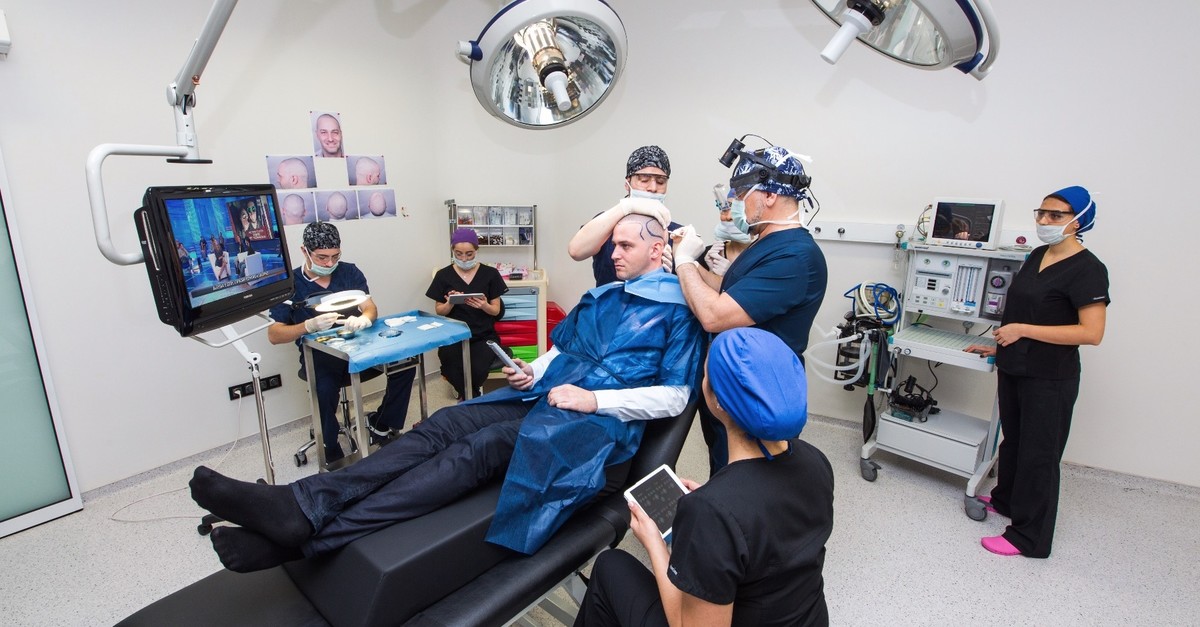
Hair transplantation is a surgical technique designed to permanently relocate hair follicles. Follicles are typically taken from a "donor site," an area of the scalp genetically resistant to pattern balding (usually the back or sides), and meticulously placed into a "recipient site," which is the thinning or bald area. The two primary surgical methodologies are:
- Follicular Unit Transplantation (FUT): This technique involves removing a thin strip of tissue from the donor area. The strip is then dissected under a microscope into individual follicular units for transplantation. This method can be efficient for harvesting a large number of grafts in a single session.
- Follicular Unit Extraction (FUE): This method involves extracting individual follicular units directly from the donor area using a small, precision punch tool. It does not require a linear incision, which can influence the healing process and the type of scarring. Robotic assistance is sometimes used in this technique.The selection of a specific technique, or a combination thereof, depends on an individual's donor hair characteristics, scalp condition, the extent of restoration desired, and the surgeon's expert assessment.
Types of Clinics Performing Hair Restoration Procedures
Providers offering hair transplant services vary in their core specialization, surgical environment, and scope of practice. Understanding these differences can help align an individual's needs with the appropriate setting.
- Plastic Surgery & Cosmetic Surgery Practices: Many board-certified plastic surgeons include hair transplantation within their surgical repertoire. Their comprehensive training in skin and soft tissue surgery provides a strong foundation for the procedure. Consultations often involve an assessment of facial aesthetics to plan a hairline that appears natural and harmonious with other facial features.
- Dermatology Clinics with a Surgical Focus: Dermatologists, particularly those with specialized training in dermatologic surgery or hair disorders (trichology), often perform transplants. Their deep expertise in skin biology, scalp health, and the medical management of hair loss allows for a holistic approach. They are skilled at diagnosing and managing underlying scalp conditions that might affect candidacy or outcomes.
- Dedicated Hair Transplant Centers: These facilities specialize exclusively in hair restoration. They may employ surgeons focused on this field and utilize a team-based approach with highly trained technicians. Such centers often invest in technology dedicated to follicle extraction and implantation. Verifying the credentials of the lead surgeon and the medical oversight is essential.
- Multi-Specialty Aesthetic Medical Centers: Larger practices offering a range of aesthetic treatments may also provide hair transplantation. They might promote a combined approach, integrating surgical restoration with complementary non-surgical therapies like platelet-rich plasma (PRP) injections or low-level laser therapy.
Age-Related Considerations in Hair Restoration
While hair loss can occur at any age, the pattern, stability of loss, and strategic goals for transplantation often correlate with different life stages, influencing the consultation dialogue.
- Young Adulthood (e.g., 20s to early 30s):Typical Presentation: Early-stage pattern hair loss. The future progression is a central concern.Common Strategic Focus: A conservative approach is typically emphasized. Discussions center on preserving the donor reserve for the long term, designing an age-appropriate hairline, and often integrating long-term medical therapies to help manage the progression of native hair loss behind the transplanted area.
- Middle Age (e.g., 40s to 50s):Typical Presentation: Pattern hair loss is usually more established, making its future progression more predictable. The donor area is generally stable.Common Strategic Focus: This is a common period for seeking transplantation. Goals often involve restoring density in clearly defined areas. The plan leverages a stable donor supply to create a natural result that fits the individual's current age, with consideration for modest future changes.
- Older Adulthood (e.g., 60+):Typical Presentation: Advanced pattern loss or general thinning. Overall health considerations are paramount.Common Strategic Focus: Candidacy depends heavily on donor hair quality and density. The surgical plan may realistically focus on framing the face rather than achieving high density. A thorough medical evaluation is a critical component of the pre-operative process.
Key Factors for Evaluating a Clinic and Surgeon
A careful and informed evaluation process is crucial for making a decision.
- Verify Surgeon Credentials: Confirm an active medical license and board certification by a recognized surgical or dermatological board, such as the American Board of Plastic Surgery or the American Board of Dermatology. Inquire specifically about their ongoing experience and volume of hair restoration procedures.
- Analyze the Consultation: A thorough consultation should involve a detailed medical history, scalp examination, and a discussion that covers all options. The surgeon should explain the proposed technique, provide a realistic outlook on expected outcomes and the recovery timeline, and openly discuss potential risks and complications.
- Scrutinize Before-and-After Photographs: Review the clinic's portfolio, looking for patients with similar hair loss patterns and characteristics. Consistency in lighting and angle in photographs allows for a more objective assessment.
- Understand the Surgical Setting and Team: Ask where the procedure will be performed. Accredited surgical centers or hospital settings are standard. Inquire about the experience of the surgical team assisting with the procedure.
- Clarify All Associated Costs: Request a detailed, written cost estimate that itemizes the surgeon's fee, facility fees, and any other charges. Understand what is included in post-operative care and the policies regarding any follow-up or touch-up procedures.
Frequently Asked Questions
- Q: Is the transplanted hair permanent?A: The follicles transplanted from the genetically resistant donor area are considered permanent and will continue their natural growth cycle in their new location. However, the procedure does not halt the ongoing natural hair loss process of the non-transplanted, native hair.
- Q: What does the recovery process involve?A: Initial recovery often involves a period of redness, scabbing, and tenderness. Many return to sedentary work within several days. Strenuous activity is typically restricted for a few weeks. The transplanted hairs shed within weeks after surgery, with new growth beginning after several months, and full results developing over 12 to 18 months.
- Q: What are the potential risks?A: As with any surgery, general risks include infection, bleeding, and scarring. Specific to transplantation, there can be poor graft growth, temporary shock loss of existing hair around the recipient area, numbness, itching, or the possibility of an unnatural appearance if not properly designed.
- Q: How can one identify potentially unrealistic claims?A: Exercise caution with guarantees of specific results, claims of a completely scarless procedure, high-pressure sales tactics for large packages, or consultations that avoid discussing limitations, risks, or alternative treatments. Professional medical advice is typically measured, evidence-based, and patient-specific.
In summary, researching hair restoration is a multi-faceted process. It involves understanding the underlying causes of hair loss, the surgical principles of transplantation, the landscape of providers, and the important criteria for evaluation. The essential first step remains a consultation with a qualified medical professional who can provide a personalized assessment based on a physical examination and a detailed discussion of individual circumstances and goals.
Sources
- https://en.wikipedia.org/wiki/Hair_transplantation?
- https://turkhairinstitute.com/en/amerikada-sac-ekimi-fiyatlari-ve-merak-edilenler/?
- https://ro.co/hair-loss/hair-transplants/?
- https://www.hairhealthtips.com/archives/19918
- https://hairscience.org/hair-loss-treatments/hair-transplant/?
- https://www.healthline.com/health/fut-hair-transplant?
- https://www.healthline.com/health/cosmetic-surgery/everything-to-know-about-a-fue-hair-transplant?