
Missing one or more teeth changes everyday routines in ways that can be surprising. Chewing certain foods may become difficult, speech can shift slightly, and confidence about smiling may decrease. Dental implants are a widely used approach to restore chewing function and appearance because implants replace the tooth root as well as the visible crown. This guide explains the main implant types, typical cost ranges, the full sequence of treatment steps and realistic timelines, practical clinic-evaluation points, and a sample case that walks through the process.
1) Implant types
Endosteal (root-form titanium implants)
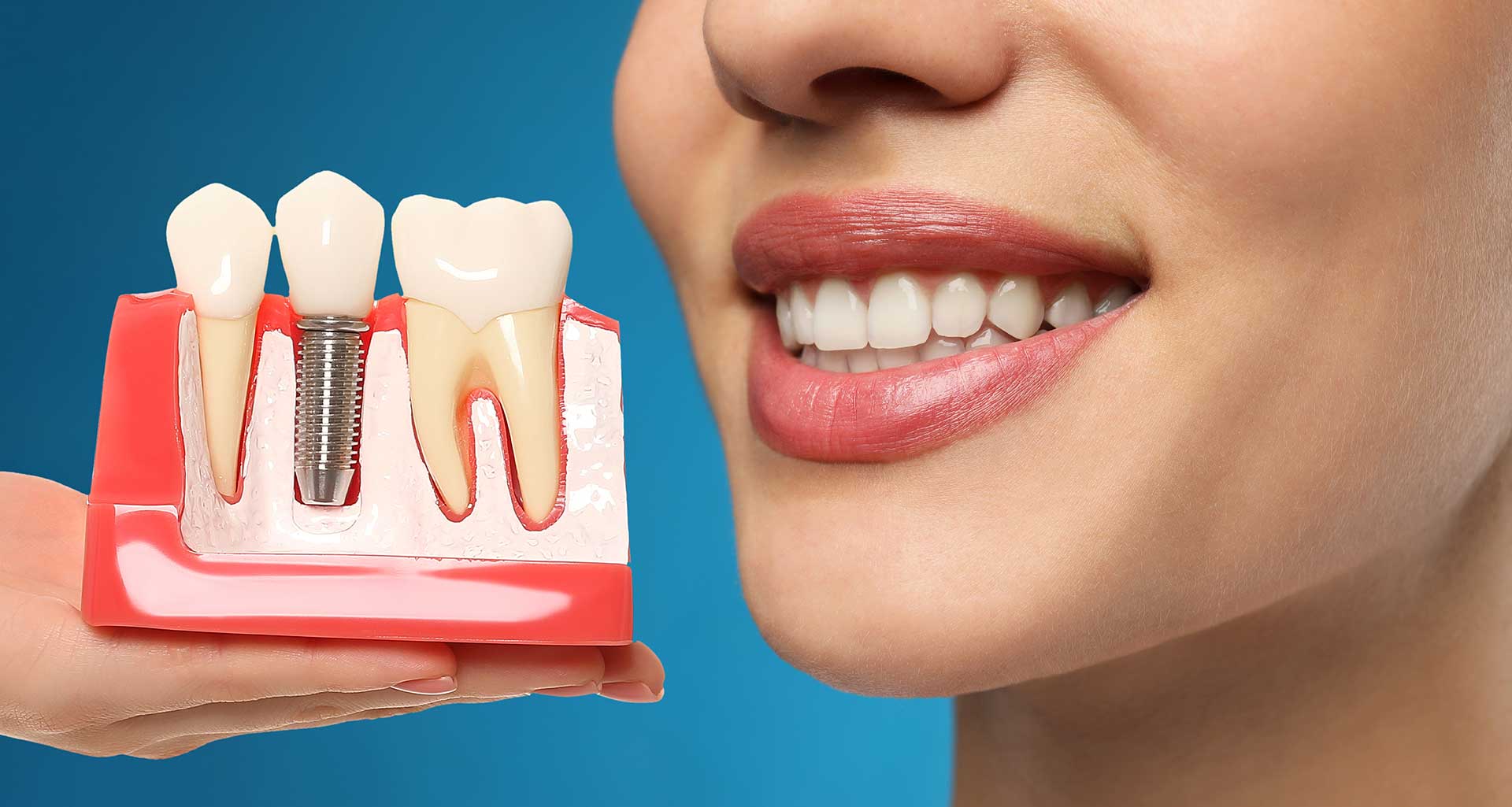
These are the most common type: screw-shaped fixtures placed directly into the jawbone to act like an artificial tooth root. After placement and healing, a connector (abutment) and a crown attach to the implant. Indications: single-tooth replacement, multiple separate implants, or as supports for bridges and some removable prostheses. Benefits include strong mechanical support and wide availability of components.
Subperiosteal implants
Subperiosteal implants sit on top of the jawbone, under the gum, rather than inside the bone. These were historically used when jawbone height is too low for standard endosteal implants and when bone grafting is not an option. Current use is less common than endosteal devices, but subperiosteal designs or modern variations may be considered for specific anatomical situations.
Zygomatic implants
These are long implants anchored in the zygomatic (cheek) bone instead of the upper jawbone. Zygomatic implants are an option when severe maxillary (upper jaw) bone loss prevents stable placement of standard implants without large grafts. They can allow fixed upper-arch restorations in patients with extensive bone atrophy. Zygomatic solutions are specialist procedures and typically performed by teams with training in maxillofacial implant techniques.
Mini (narrow-diameter) implants
Mini implants are narrower than standard implants. They are sometimes used to stabilize removable dentures, for limited spaces, or where a less invasive placement is desired. Mini implants can be a temporary or long-term option depending on the clinical goal and prosthetic design; however, indications and expected loads differ from standard implants, so planning must reflect those mechanical limits.
Implant-retained overdentures (bar, ball, or locator attachments)
Rather than replacing each tooth, a small number of implants can be placed to retain and stabilize a removable denture. Attachment systems include bars, ball attachments, or locators. Advantages versus conventional removable dentures include improved retention and chewing comfort; maintenance and periodic adjustment still apply.
Full-arch fixed approaches (All-on-4 and similar protocols)
Full-arch fixed workflows place a limited number of implants (often four per arch in the All-on-4 concept) to support a fixed prosthesis across the entire jaw. Strategic implant angulation is used to avoid grafting in many cases. This approach can reduce the number of implants required for a complete-arch replacement and allows for different loading protocols depending on case planning. Outcomes are well-studied but the surgical and prosthetic protocols vary across clinicians and studies.
2) Typical U.S. price ranges (single-tooth examples) — ballpark figures
Prices vary by region, clinician experience, implant system, and whether additional procedures (extraction, grafting, sinus lift) are required. Typical single-tooth price ranges commonly reported in U.S. sources:
- Endosteal (single tooth, implant + abutment + crown): about $3,000–$7,000.
- Implant-retained overdenture: per arch often $6,000–$15,000 depending on number of implants and attachments.
- All-on-4 / full-arch fixed: wide range; many estimates fall between $15,000–$30,000+ per arch depending on materials and lab work.
- Zygomatic implants and other specialized procedures can exceed the ranges above due to surgical complexity and specialist fees.
These figures are estimates for planning purposes only. Insurance coverage for implants varies widely; some plans cover portions of associated procedures, while others exclude implants entirely, so checking plan details is important.
3) Core benefits and risks — what studies and clinical guidance note
Benefits: Implants restore biting and chewing ability, can support clearer speech compared with ill-fitting dentures, and preserve jawbone stimulation because they replace the root function. Many patients report improved comfort and appearance after restoration.
Risks and long-term issues: Peri-implant inflammatory conditions (peri-implant mucositis and peri-implantitis), mechanical complications (screw loosening, ceramic fractures), and surgical complications (nerve or sinus involvement when anatomy is challenged) are recognized. Good hygiene, regular professional follow-up, and careful initial planning reduce risks but do not eliminate them. Long-term survival depends on case selection, surgical and prosthetic technique, and maintenance.
4) Standard treatment steps and typical timelines
Below is a typical, detailed stepwise pathway. Not all cases follow every step — some steps may be combined, and timing varies with biology and chosen protocols.
- Initial consultation and medical/dental history Review of general health (e.g., diabetes, medications that affect healing) and dental history. A candidacy discussion includes realistic goals and alternatives. Digital photos, intraoral scans, or physical impressions may be taken.
- Comprehensive imaging and diagnostics Panoramic x-ray and cone-beam CT (CBCT) are commonly obtained for three-dimensional assessment of bone volume, proximity to nerves and sinuses, and implant angulation planning. Digital planning tools can simulate implant positions and prosthetic outcomes.
- Treatment planning and written plan A written plan typically lists the sequence, estimated timelines, included components, and which procedures (extraction, grafting, sinus lift) are expected. Advanced cases may include a surgical guide fabricated from the digital plan.
- Preparatory procedures when needed Tooth extraction (if necessary) followed by either immediate implant placement in selected cases or healing period before implant. Bone grafting or sinus lift when jawbone volume is insufficient. Bone graft healing can take several months; Cleveland Clinic notes that initial soft-tissue healing is about a week, but graft maturation can continue up to a year in some situations.
- Implant placement surgery Under local anesthesia (with or without sedation), the implant is placed into the planned site. For simple sites, flapless or minimally invasive approaches may be used; for complex sites, a flap and sutures may be needed. Surgical time varies by number of implants and complexity.
- Osseointegration (healing and monitoring) Typical waiting periods before definitive loading vary by site, bone quality, and implant protocol: often 2–6 months for routine cases, though some protocols allow earlier loading. Healing allows bone to integrate to the implant surface. Clinical checks monitor soft tissue health and stability.
- Abutment and provisional prosthesis After sufficient integration, an abutment is connected and a temporary or provisional restoration may be provided to shape soft tissue and test function.
- Final prosthesis (crown, bridge, or denture) Once tissues are stable and occlusion is verified, the final crown, bridge, or fixed/full-arch prosthesis is fabricated and placed.
- Post-op care and maintenance Regular professional hygiene visits and at-home oral care are essential to detect early tissue inflammation and prevent progression. Lifelong periodic checks are part of responsible care. Peri-implant disease is an important long-term consideration.
Timing summary example (single implant with no graft): consultation → imaging/planning (1–2 visits, 1–3 weeks) → implant placement (1 day) → healing (2–4 months typical) → abutment and crown (2–6 weeks) = roughly 3–6 months from start to final crown in straightforward cases. Cases requiring grafts, complex surgery, or staged treatment extend this timeline.
5) How to evaluate a clinic and clinician
When comparing clinics, consider the following neutral, fact-seeking points rather than marketing claims:
- Training and experience: Ask which clinicians will perform the surgery and prosthetic phases, and what specialist qualifications they hold (oral surgery, periodontics, prosthodontics, or general dentistry with implant training).
- Treatment plan documentation: Request a written phased plan with timelines, included items, and who handles each step.
- Diagnostic technology: Availability of CBCT imaging and digital planning, and whether surgical guides are used for complex cases.
- Case examples: Request anonymized before-and-after cases of similar situations and inquire about how complications are managed.
- Component and material transparency: Ask which implant systems and materials are proposed (titanium vs. ceramic/zirconia, types of abutments, provisional materials).
- Aftercare and maintenance: Confirm scheduled follow-ups, hygiene protocols, and responsibilities for adjustment or repairs.
- Financial clarity: Get itemized cost estimates including potential additional procedures (extractions, grafts, provisional prostheses, lab fees) and billing for separate specialists if used. Insurance coverage varies widely — confirm specific plan details.
The goal of these questions is to create an evidence-based understanding of the planned care and the clinic’s processes rather than to rely on promotional language.
6) Frequently asked questions
Does implant surgery hurt?
Comfort management typically includes local anesthesia and optional sedation. Common postoperative soreness and swelling are managed with standard pain-control approaches and instructions. Individual experience varies.
How long until normal eating returns?
Soft-food eating is usually advised during early healing. Return to normal chewing depends on osseointegration and prosthetic schedule; in many straightforward cases, full chewing returns after the final restoration is placed, often a few months after placement.
Is bone grafting always required?
Not always. When jawbone volume is insufficient, grafting or sinus augmentation may be recommended to achieve stable implant support. Graft maturation timelines vary; some grafts require several months before implant placement.
How long do implants last?
Long-term outcomes are favorable in properly planned and maintained cases, but ongoing maintenance and monitoring are necessary because biological and mechanical complications can occur. Survival statistics depend on many variables such as patient health, site conditions, and care.
Will insurance cover implants?
Coverage varies. Some plans provide partial benefits or coverage for associated procedures, while others exclude implants. Confirm coverage specifics with the insurer prior to treatment.
7) Example clinical case
Situation: A patient with a failing lower molar experienced pain while chewing and avoided hard foods. Imaging showed localized bone loss around the tooth.
Sequence used: A careful extraction was performed to remove the failing tooth, and a bone graft was placed to rebuild the socket. After graft healing and maturation (several months), a standard endosteal implant was placed. The implant was left unloaded to allow osseointegration for approximately three to four months. A custom abutment and crown were fabricated and fitted after the healing interval. At routine follow-ups, soft tissue and function were monitored and professional hygiene visits scheduled every six months. The patient reported improved ability to chew and comfort once the final restoration was in place.
This case illustrates staged planning, use of grafting when needed, and the multi-month nature of predictable implant therapy. Healing intervals and specific materials vary by case.
8) Practical final notes
- Implant therapy is a multi-step medical and prosthetic process that usually takes months rather than days in standard cases. Timelines are determined by biology and clinical complexity.
- Discussion of alternatives (fixed bridges, removable dentures, or conservative restorations) should be part of the decision process so that choices match functional goals, health factors, and budget.
References
- https://www.pattersonvillagedentistry.com/dental-implant/
- https://smilestation.dental/types-of-dental-implants-in-paducah-ky-endosteal-subperiosteal-and-zygomatic-explained/?
- https://en.wikipedia.org/wiki/All-on-4?
- https://www.newmouth.com/dentistry/restorative/implants/cost/?
- https://smilesofaurora.com/dental-implant-cost-guide-2025/?
- https://bettercare.com/costs/dental-implants-cost?
- https://healature.com/dental-implant-cost-average-prices-full-set-options-and-affordable-alternatives/?
- https://www.dentalimplantoc.com/dental-implant-costs/?
- https://docwellnow.com/dental-implant-costs/?