
In today's world, aesthetic medicine has blossomed into a comprehensive field blending skin science, plastic surgery, and advanced technology. Its main goal is to enhance skin health, slow down visible signs of aging, or adjust facial and body contours through professional medical procedures. For anyone curious about exploring these treatments, the real challenge is figuring out how to navigate the sea of different clinic types and treatment options to find the perfect match for your age, your specific skin concerns, and what you hope to achieve. It's not just about personal taste—it's a decision that involves a smart, clear-eyed look at medical expertise, the safety of the technology used, and what kind of long-term results you can realistically expect.
This guide aims to provide you with a clear, step-by-step framework to help you truly understand the aesthetic medicine industry. First, it details the four main types of service providers you'll encounter and clarifies the specific services offered by each type. Then, it delves into the core aspects: common skin and beauty problems at different life stages (youth, middle age, and old age), and the mainstream treatments for these problems. You'll also gain a logical approach to help you choose the right clinic based on your needs, and a detailed checklist for evaluating a clinic's professional qualifications and safety standards.
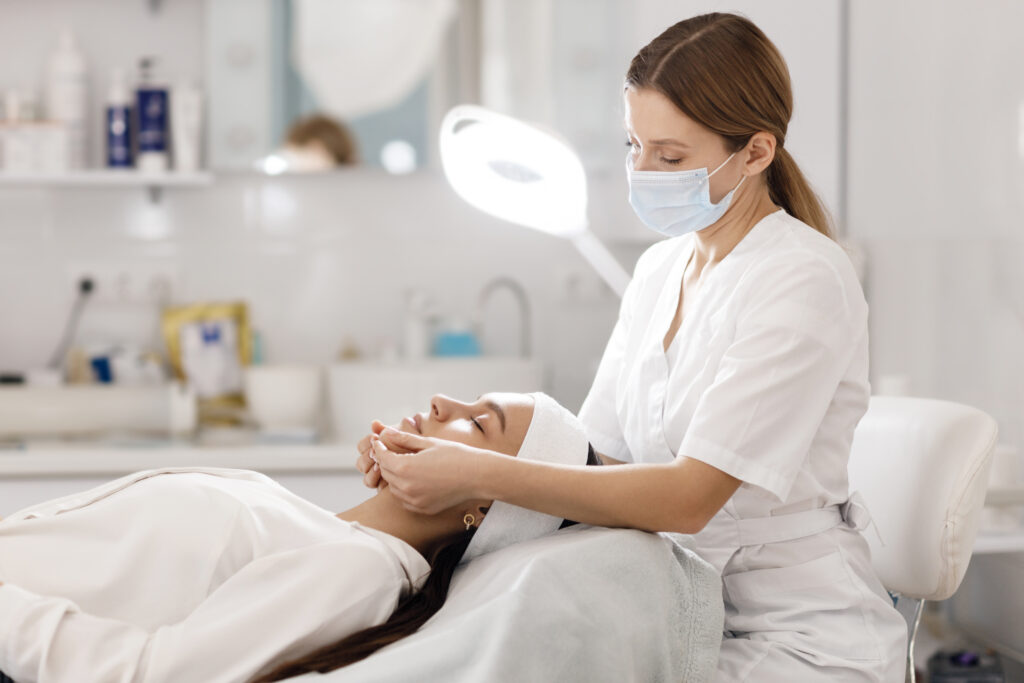
①.Main Types of Aesthetic Medical Service Providers
These institutions differ significantly in their level of medical supervision, areas of specialization, and service scope. Understanding these differences is the first step to making an informed choice.
1. Medical Spas & Wellness Centers
These centers focus on providing non-invasive or minimally invasive treatments in a relaxing, comfortable setting. Common offerings include basic chemical peels, microdermabrasion, laser hair removal, relaxing facial treatments, and product-based skin management. They are typically overseen by a licensed physician acting as Medical Director, but daily operations are usually carried out by licensed aestheticians or nurses. These centers are suitable for those seeking routine skin maintenance, non-invasive hair removal, or a relaxing experience, and who do not have complex skin pathologies.
2. Dermatology & Cosmetic Dermatology Clinics
These are medical practices led by board-certified dermatologists. Their defining feature is the close integration of medicine and aesthetics. Their services span two major areas: first, diagnosing and treating skin diseases (like acne, rosacea, eczema, skin pre-cancers); and second, providing advanced cosmetic treatments, such as injectable neuromodulators (for dynamic wrinkles) and fillers (for volume loss), laser therapy for pigmentation or vascular concerns, and high-concentration medical-grade peels. In such clinics, any aesthetic plan is built upon a medical assessment of the skin's overall health, leading to higher safety standards.
3. Plastic Surgery & Cosmetic Surgery Practices
These practices specialize in altering body or facial structure through surgical means. Services include facelifts, eyelid surgery (blepharoplasty), rhinoplasty, breast augmentation, liposuction, and body contouring. The lead physician must be a plastic surgeon who has completed rigorous specialized training and is certified by a recognized board such as the American Board of Plastic Surgery. Procedures are usually performed in accredited ambulatory surgery centers or hospitals, involving anesthesia management and a postoperative recovery period. This is the primary route for addressing changes caused by significant tissue laxity, structural defects, or substantial fat deposits.
4. Comprehensive Aesthetic Medical Centers
These centers represent an "all-in-one" model, aiming to bring together a multidisciplinary team (which may include dermatologists, plastic surgeons, laser specialists) and a wide range of technologies under one roof. From non-invasive body contouring (like cryolipolysis, radiofrequency skin tightening) and various energy-based laser platforms to injectables and minimally invasive treatments, they offer "one-stop" solutions. Their advantage lies in the ability to create coordinated, comprehensive treatment plans for complex or multi-faceted needs. However, it remains crucial to verify the specific expertise of the practitioner performing your chosen procedure.
②. Age-Specific Aesthetic Concerns and Corresponding Treatments
The skin aging process and aesthetic desires evolve with age. Therefore, treatment plans should generally align with the specific signs presented at each life stage. The table below outlines core concerns and common treatment directions for different age groups:
| Age Group | Typical Skin & Aesthetic Manifestations | Common Treatment Technologies & Examples | Primary Goals & Considerations |
|---|---|---|---|
| Young Adulthood (20s-30s) | Active oil production, prone to acne and subsequent scarring; early dynamic wrinkles appear (e.g., forehead lines, crow's feet); possible interest in subtle feature enhancement. | – Acne Management: Prescription medications, chemical peels, laser or photodynamic therapy. - Scar Revision: Fractional laser, microneedling (with or without radiofrequency). - Early Wrinkle Prevention: Low-dose neuromodulator injections. - Subtle Contouring: Hyaluronic acid fillers for lips or minor contour adjustments. | The core goal is prevention and correction. Focus is on establishing a scientific skincare routine, treating active skin issues, and cautious early intervention to delay the onset of pronounced signs of aging. |
| Middle Age (40s-50s) | Dynamic wrinkles become static; loss of facial soft tissue volume leads to sagging and hollowing; skin shows pigmentation irregularities, textural roughness, and reduced elasticity. | – Wrinkle Management: Combined use of neuromodulators and fillers. - Volume Restoration: Fillers used in the mid-face, nasolabial folds, lips, etc. - Skin Quality Improvement: Fractional lasers, IPL (Intense Pulsed Light), radiofrequency microneedling for tightening, brightening, pore refinement. - Body Contouring: Non-invasive fat reduction/skin tightening technologies for stubborn areas. | The core goal is rejuvenation and restoration. Treatments shift toward multi-modal combinations to address multi-layered aging changes. The key is to restore natural facial contours and healthy skin quality, avoiding over-treatment. |
| Older Adulthood (60+) | Significant skin laxity and sagging, noticeable structural changes; static wrinkles deepen; skin becomes thinner, drier, and may develop benign growths or pre-cancerous lesions. | – Moderate-to-Severe Laxity: May consider non-surgical skin tightening like ultrasound (e.g., Ultherapy) or radiofrequency, or evaluate surgical options like eyelid surgery or facelifts. - Structural Support: Strategic use of fillers or autologous fat grafting for facial support. - Skin Health: Emphasis on skin cancer screenings, treatment of actinic keratosis, and enhanced moisturizing and barrier repair care. | The core goals are improvement, support, and health maintenance. While seeking aesthetic enhancement, greater emphasis is placed on treatment safety, tolerability, and maintaining overall skin health. Results should aim for a natural, harmonious look. |
Important Note: This table is a general reference. An individual's genetic factors, sun exposure history, lifestyle habits, and physiological differences impact skin condition far more than chronological age alone. The core value of a professional consultation lies in obtaining this personalized assessment.
③. How to Match Clinic Type to Your Needs
Once you've clarified your primary concerns, you can follow this logic for an initial screening of clinic types:
- If your primary concern is a "skin disease" or "skin health": Prioritize a Dermatology Clinic. Whether it's persistent acne, rosacea, or the need for a skin cancer check, a dermatologist is the authoritative expert for diagnosis and safe treatment planning.
- If your core desire is "non-surgical anti-aging" or "localized enhancement": A Cosmetic Dermatology Clinic or a Comprehensive Aesthetic Center is a suitable choice. Here, focus on the experience and technique of the treating practitioner (injector, laser technician) for that specific procedure, as well as whether the equipment used is advanced and compliant.
- If your goal involves "changing body/facial structure" or "removing excess tissue/skin": You must consult a board-certified Plastic Surgeon. Any procedure requiring incisions, sutures, or significant tissue repositioning must be performed by a surgeon in a properly equipped medical facility.
- If your goal is purely "routine maintenance" or "non-invasive hair removal": Choosing a reputable Medical Spa with physician oversight is sufficient and often more cost-effective.
④. Key Factors for Evaluating a Clinic and Practitioner
To ensure safety and efficacy, conducting due diligence is essential. During a consultation, pay attention to the following:
- Verify Credentials: Confirm the doctor's medical license and board certification status (e.g., American Board of Dermatology, American Board of Plastic Surgery). For non-physician operators, inquire about their professional license (e.g., Registered Nurse) and information about their supervising physician.
- Analyze the Consultation Process: A professional consultation should be thorough and patient. It should include a comprehensive medical history review, skin examination, discussion of your goals, and an objective explanation of various treatment options—their mechanisms, expected outcomes, potential risks, side effects, and recovery periods. You should feel educated, not sales-pressured.
- Scrutinize Before/After Photos & Equipment: Review the clinic's before-and-after galleries, paying attention to authenticity, consistency in photo conditions, and the naturalness of results. You can also ask about the specific brands and models of key treatment devices and verify if they have clearance from relevant regulatory bodies (e.g., U.S. FDA).
- Clarify Costs and Follow-up: Request a clear, written cost breakdown. Understand if the quoted price includes follow-up visits, any necessary touch-ups, or potential costs for multi-stage treatments. Be wary of "special offers" priced significantly below the market average.
⑤. Frequently Asked Questions
Q: I'm trying an aesthetic treatment for the first time. Where should I start?
A: There's no one-size-fits-all answer. The best start is a comprehensive skin consultation. Based on an analysis of your skin, the doctor or practitioner can recommend the most foundational and necessary care or treatment. This might be a deep cleanse, a gentle resurfacing treatment, or simply an adjustment to your prescription skincare regimen. Establishing a scientific skincare foundation is far more important than randomly trying a single advanced treatment.
Q: How long do the results of non-surgical treatments last?
A: The vast majority of non-surgical results are reversible and not permanent. For example, neuromodulator effects typically last 3-6 months; fillers can last anywhere from 6 months to over 2 years, depending on the product type and injection area; laser improvements in skin texture can last several months to years, but the skin continues its natural aging process. Maintaining results usually requires periodic maintenance treatments.
Q: What preparations are needed before a treatment?
A: Basic preparations include: providing a complete health and medication history during your consultation; as advised by your doctor, discontinuing certain medications or supplements that may increase bleeding risk (like aspirin, fish oil, vitamin E) for a period before treatment; strict sun protection; for some laser treatments, you may need to avoid tanning. Always follow the specific, personalized pre-procedure instructions given by your treating physician.
Q: How can I spot an unprofessional clinic or overhyped marketing?
A: Be wary of red flags including: avoiding discussion of risks during consultation or promising "perfect" results; inability to provide detailed doctor credentials; use of unverified or non-compliant equipment; unusually low prices; high-pressure tactics to immediately commit to large packages; lack of a clear emergency protocol. Always remember, professional medical advice is cautious and fact-based, not exaggerated sales talk.
Conclusion
Navigating the world of aesthetic treatments can feel overwhelming, but it doesn't have to be a guessing game. The key takeaway is that successful, satisfying outcomes are built on a foundation of knowledge and careful choice. By understanding the different types of aesthetic clinics and what they specialize in, recognizing how your needs align with your life stage, and knowing exactly what to look for in a practitioner's qualifications and approach, you empower yourself to make confident decisions. Remember, the most important step is always the first one: scheduling a consultation with a reputable, board-certified professional who will listen to your goals, assess your individual situation, and guide you toward safe, appropriate options. Your journey to looking and feeling your best should be a positive, informed, and collaborative experience.
References & Sources:
- https://people.com/fda-says-radiofrequency-microneedling-has-potential-risk-11844154?
- https://www.carecredit.com/cosmetic/costs/?
- https://www.abplasticsurgery.org/?
- https://www.abderm.org/?
- https://www.grandviewresearch.com/industry-analysis/medical-aesthetics-market
- https://www.mckinsey.com/industries/life-sciences/our-insights/from-extreme-to-mainstream-the-future-of-aesthetics-injectables?
- https://pmc.ncbi.nlm.nih.gov/articles/PMC11342464/?
- https://pmc.ncbi.nlm.nih.gov/articles/PMC8922312/?
- https://ultherapy.com/?
- https://www.plasticsurgery.org/cosmetic-procedures/dermal-fillers?
- https://my.clevelandclinic.org/cosmetic-plastic-surgery/procedures/hair-loss?
- https://www.aad.org/public/everyday-care?
- https://www.aad.org/public/cosmetic?
- https://www.mayoclinic.org/tests-procedures/botox/about/pac-20384658?
- https://www.fda.gov/medical-devices/aesthetic-cosmetic-devices/microneedling-devices?
- https://www.fda.gov/medical-devices/aesthetic-cosmetic-devices/fda-approved-dermal-fillers?
- https://www.fda.gov/medical-devices/products-and-medical-procedures/aesthetic-cosmetic-devices?